FREQUENTLY ASKED QUESTIONS
What people ask about display stand production.
The questions we receive most often about process, materials, dimensions and order terms. If you cannot find yours, write to us directly.
How does the display stand production process work?
The process runs in nine stages: brief, design, prototype, tooling, injection, printing and branding, assembly, quality control and shipping. Once brand objectives and point-of-sale requirements are analysed, the form and shelf structure are designed and tested on a physical prototype for dimensions and durability. Series production starts after approval. Total lead time depends on whether new tooling is required and on print volume, and is confirmed at the brief stage.
Do you have a minimum order quantity?
There is no fixed minimum. For bespoke projects requiring new tooling, quantity is evaluated together with how the tooling cost is amortised per unit. Solutions derived from our existing modular part family allow lower quantities. Once you share your project details, we prepare a quantity and price range specific to it.
Can we purchase only accessories or spare parts?
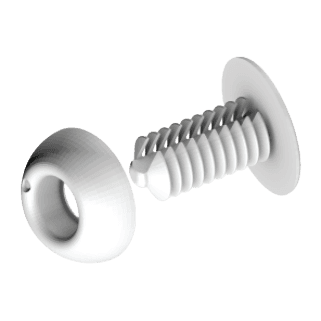
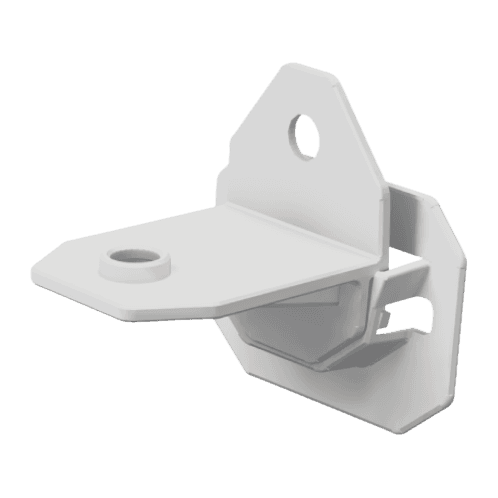
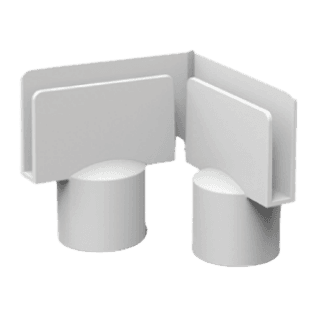
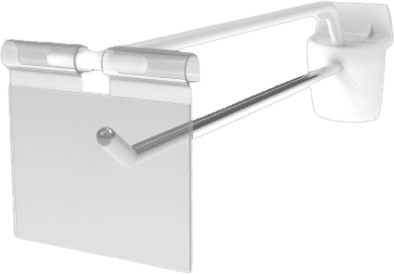
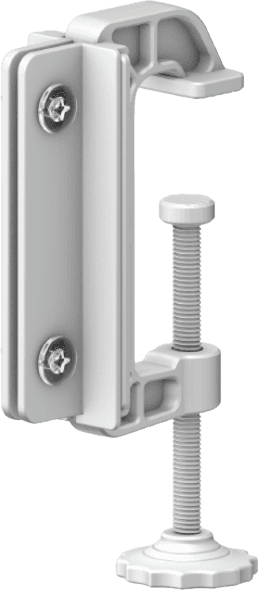
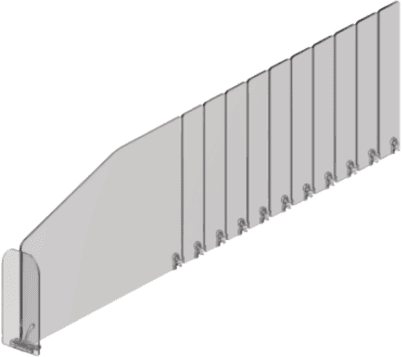
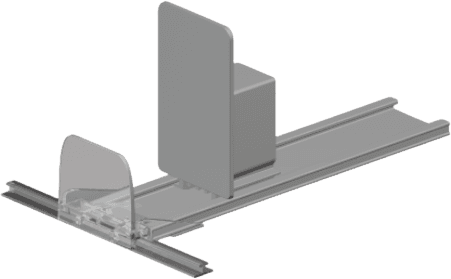
Yes. From connectors to shelf brackets, we separately manufacture and supply the parts that complete a stand. We can also supply accessories for missing or worn parts on your existing units.
How do I choose the right stand for my product?
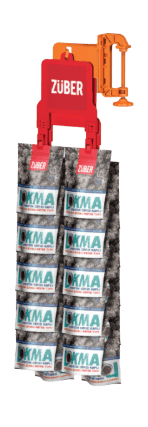
Three things decide it: the weight and packaging form of the product, the floor space allocated in store, and how long the unit has to stay in the field. Heavy glass packaging calls for an injection-moulded body and thicker shelf sections; light euro-slot packs sit better on a hook system. A cardboard unit is enough for a short campaign, while a display that stays on the floor all year is better in PP, HIPS or ABS — store temperature and cleaning routine feed into that choice too. Share your product dimensions and campaign duration and we will settle the typology together.
What types of display stands do you manufacture?
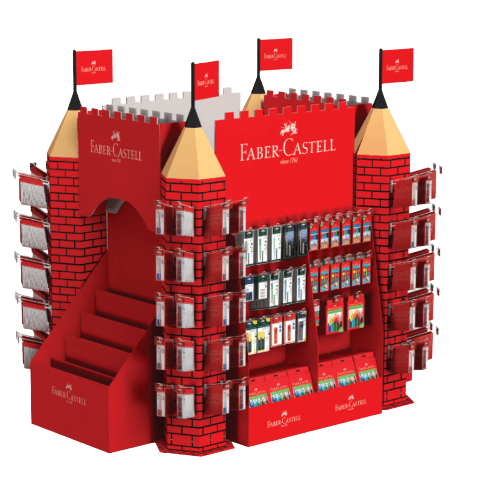
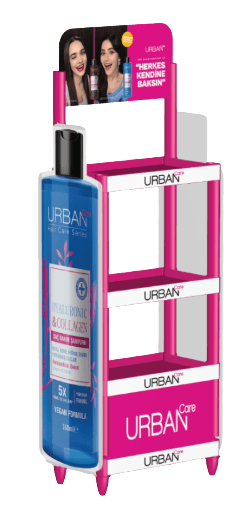
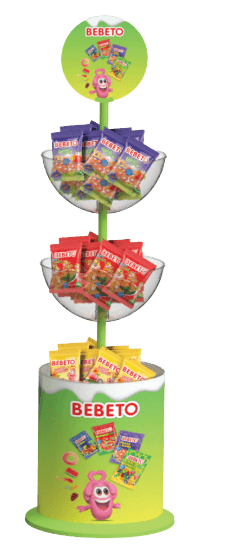
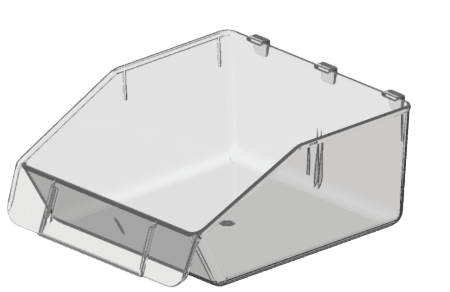
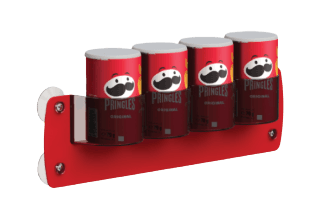
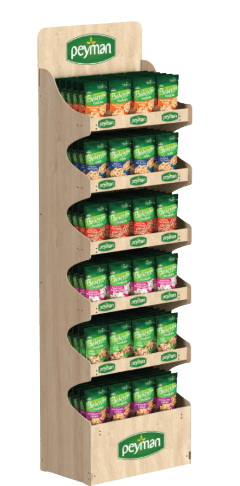
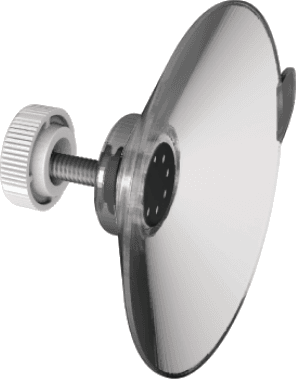
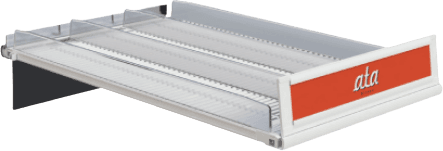
We group our stands into four families by material: cardboard displays, injection-moulded (plastic) displays, wooden displays and bespoke project units. Each family covers several typologies — injection floor displays, bowl and sphere units, hang-on displays, suction cup solutions, tool bins and shelf trays. Which family fits depends on campaign duration, product weight, store format and budget.
Can I have a stand designed specifically for me?
Yes. Form, height, shelf angle and graphic areas are designed specifically for your brand, and printing and branding are applied in our own printing unit. Customisation is also possible without investing in new tooling: our existing bodies can be dressed in your brand’s graphics. Because graphic panels are designed to be replaceable, the same body can be reused across different campaigns.
What makes a stand most cost-effective?
Four items drive the cost: whether new tooling is needed, the material, the quantity and the volume the unit takes up in transit. A stand derived from our existing moulds or modular part family stays noticeably lower than a bespoke body that needs new tooling. For short campaigns, a cardboard unit is the lowest-cost option. As quantity rises, the tooling investment per unit falls. Because our units are designed to flat-pack, more of them fit in the same truck, which shrinks the freight line too. Share your budget and we optimise these four together for your project.
Do you ship internationally?
Yes. We complete production at our Istanbul and Yalova facilities and ship to points of sale in over 70 countries as well as to the regional distribution hubs of our clients. Europe, the Middle East, North Africa, Asia and North America are our main shipping regions. Because units are designed to flat-pack, more of them fit in the same truck.
Question not on the list?

What Will Your Next Stand Look Like?
Let's develop the solution specific to your brand, product and point of sale.