Easy-Assembly Displays
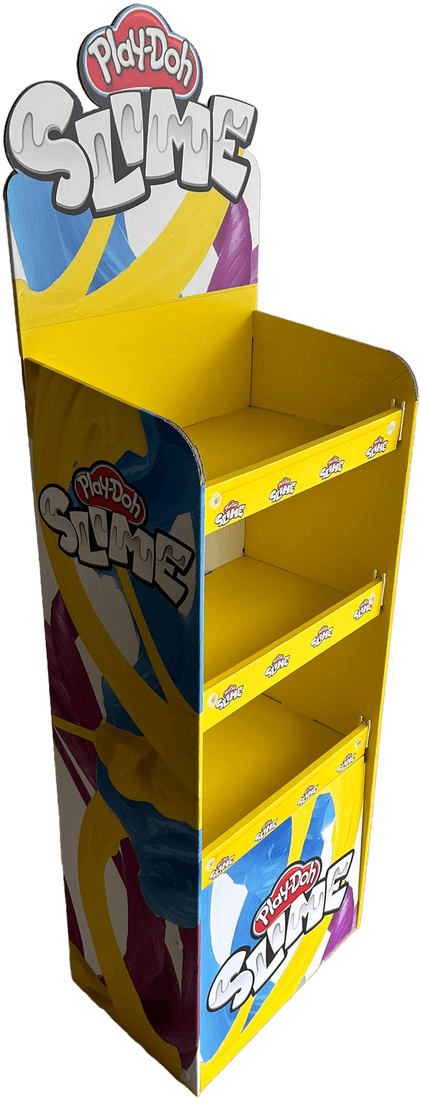
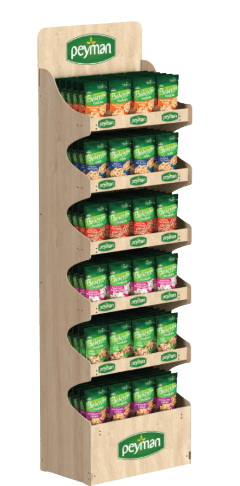
Free-standing cardboard displays that one person unfolds and sets up in minutes, with no tools or glue. The body ships flat and the shelves lock into place. The widest family in the cardboard range.

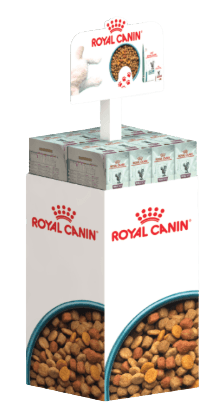
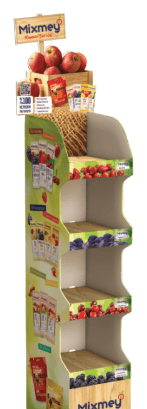
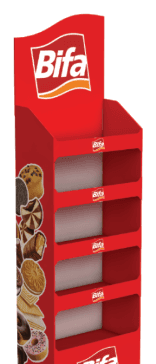
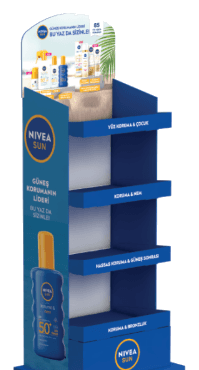
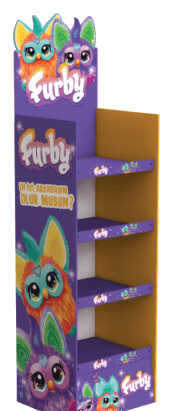

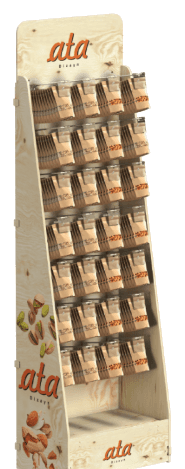
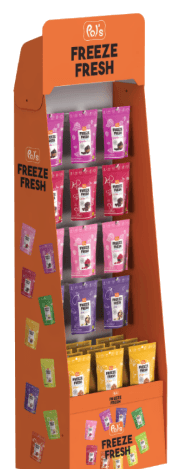
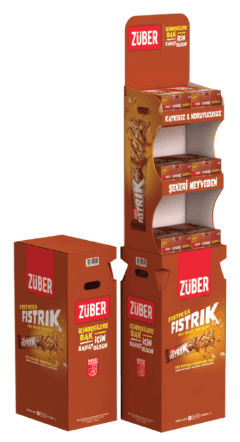
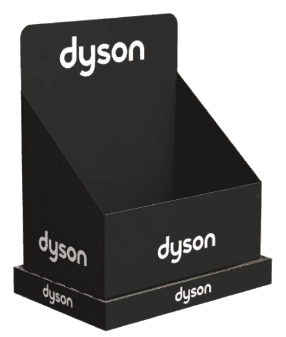
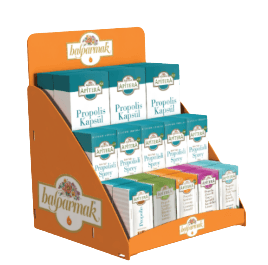
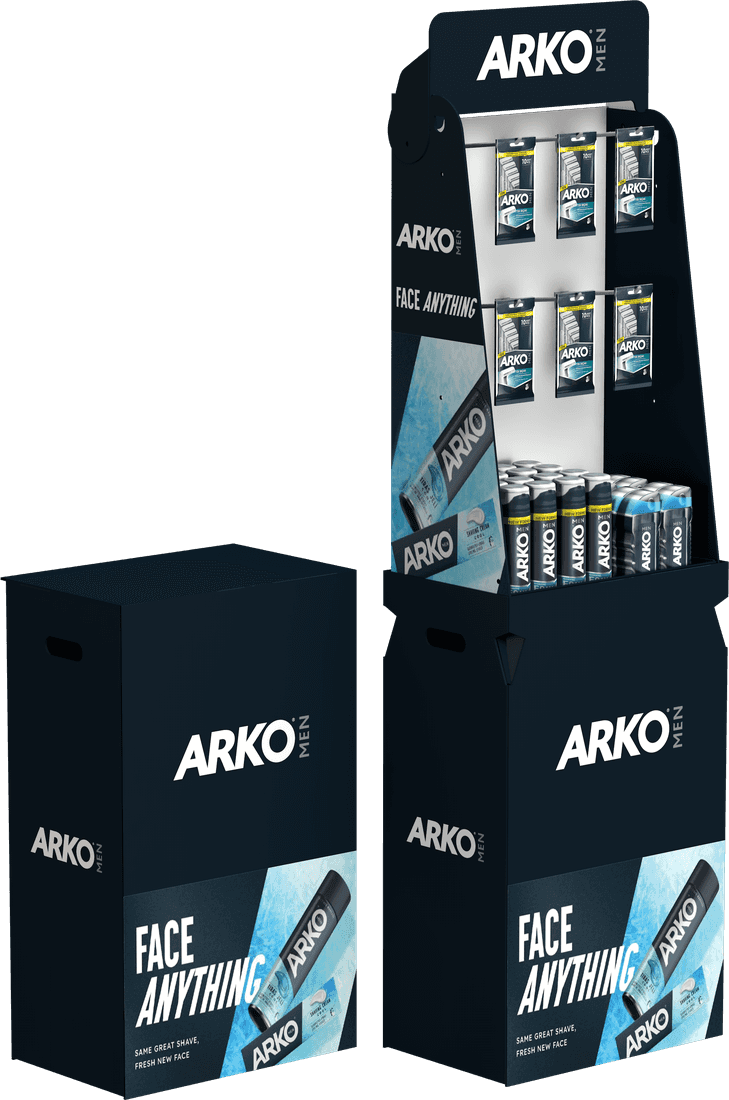
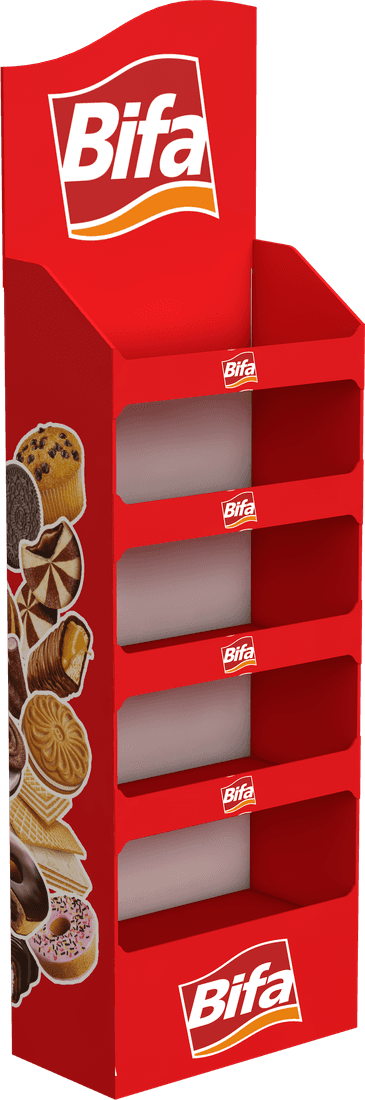
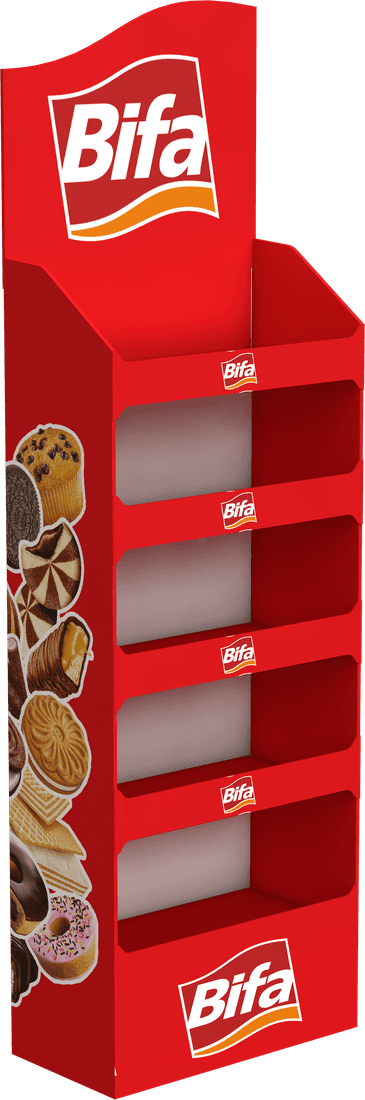
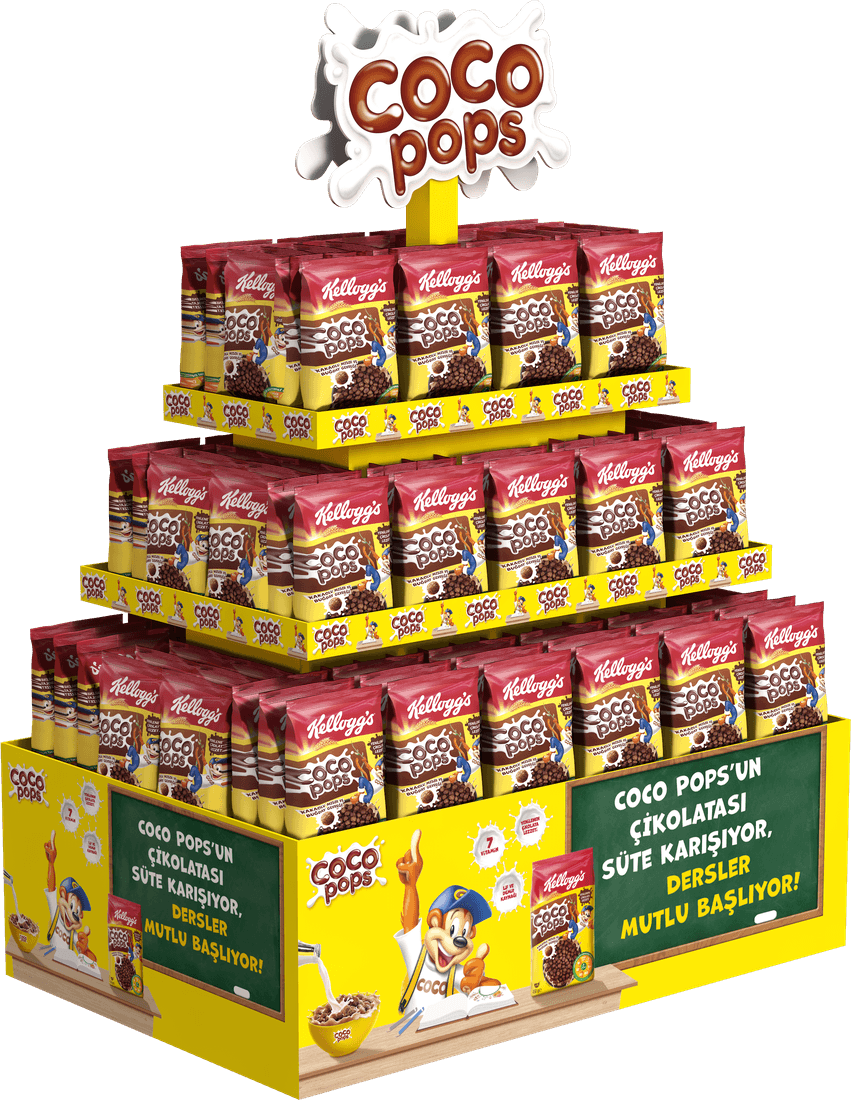
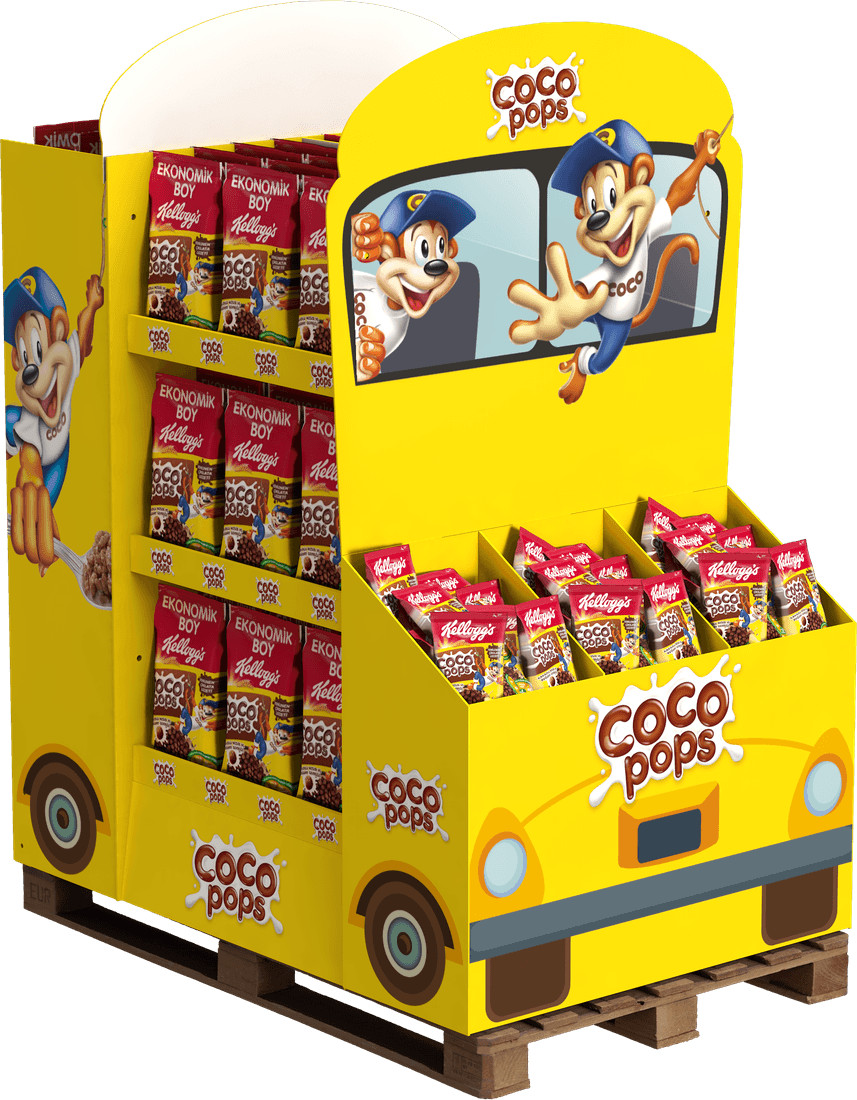
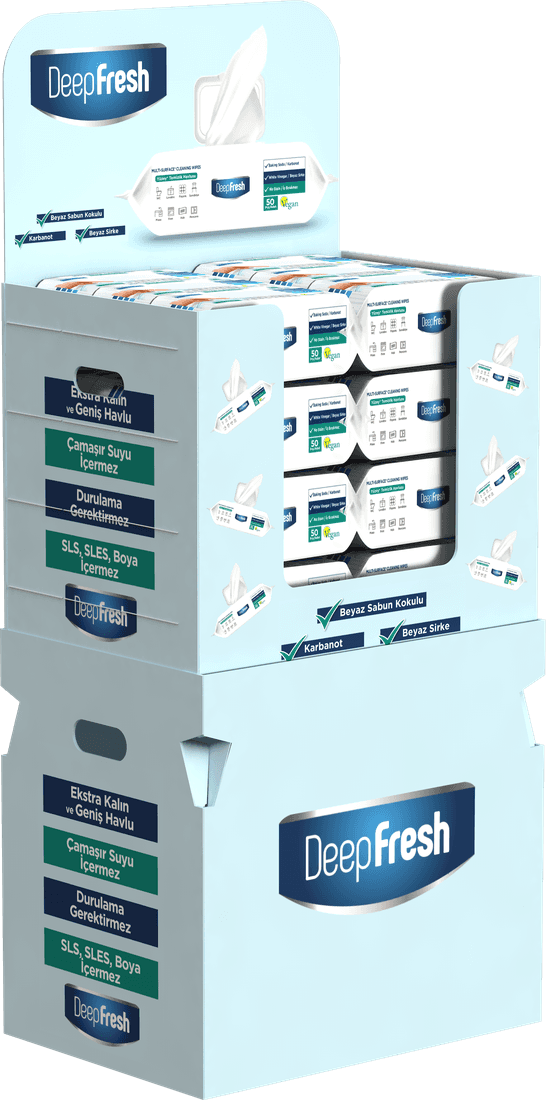
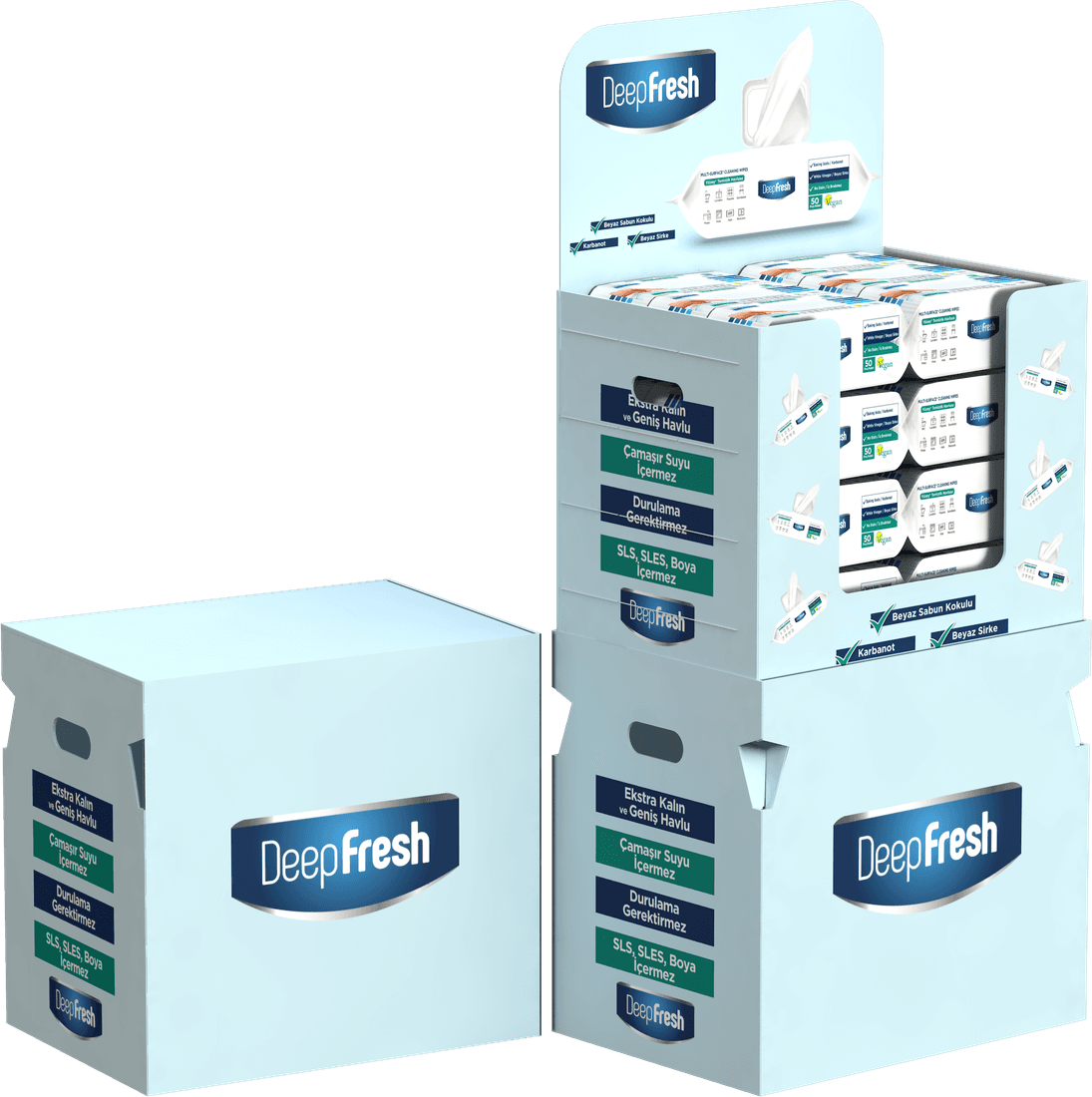
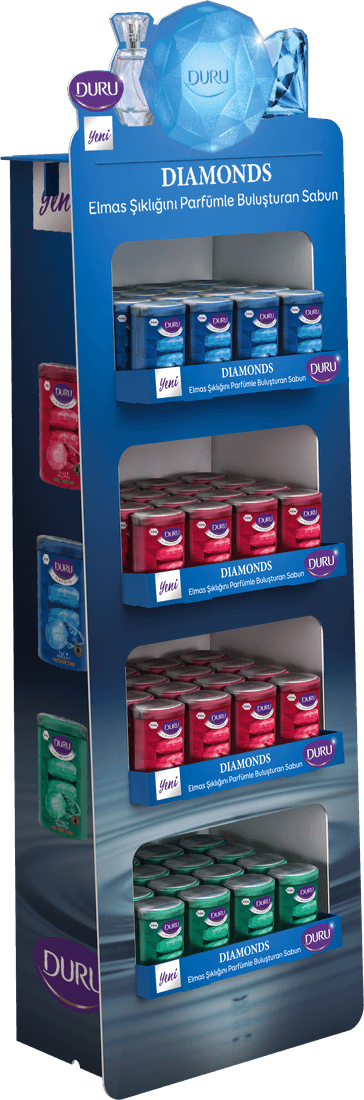
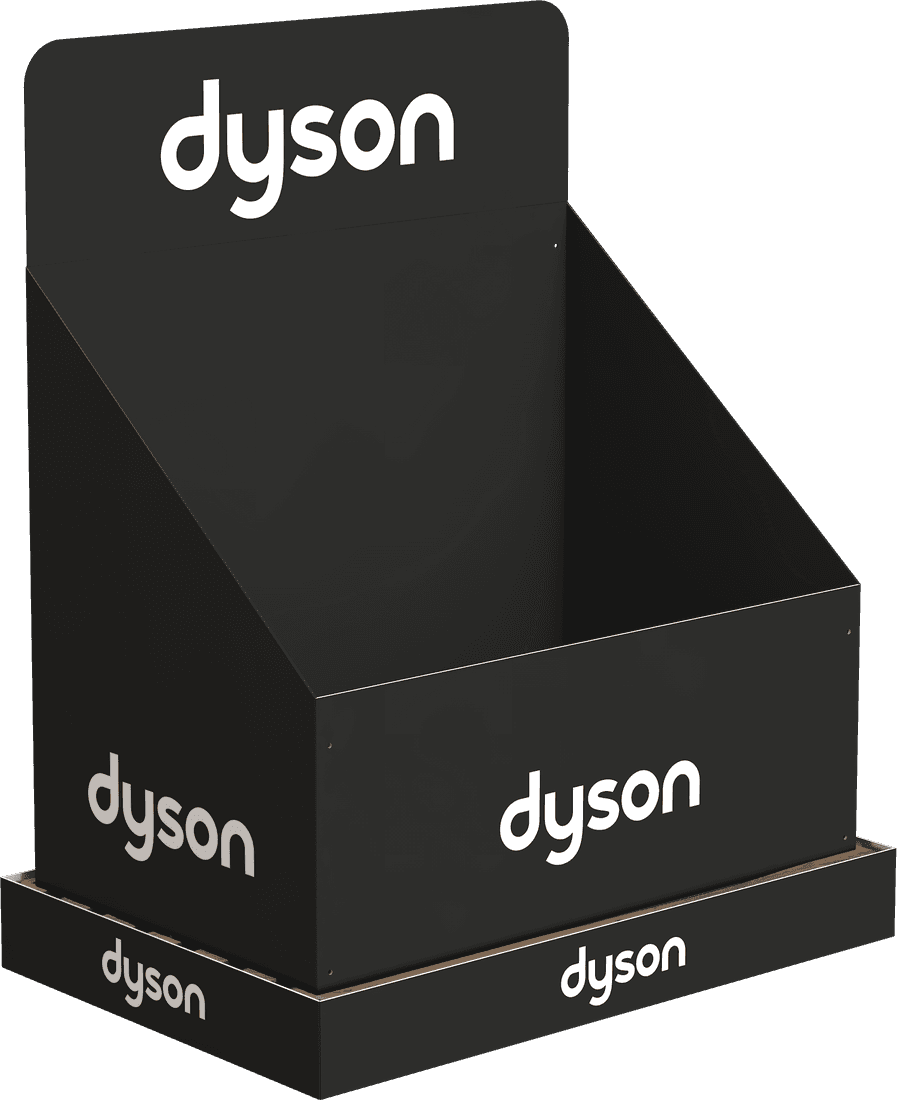

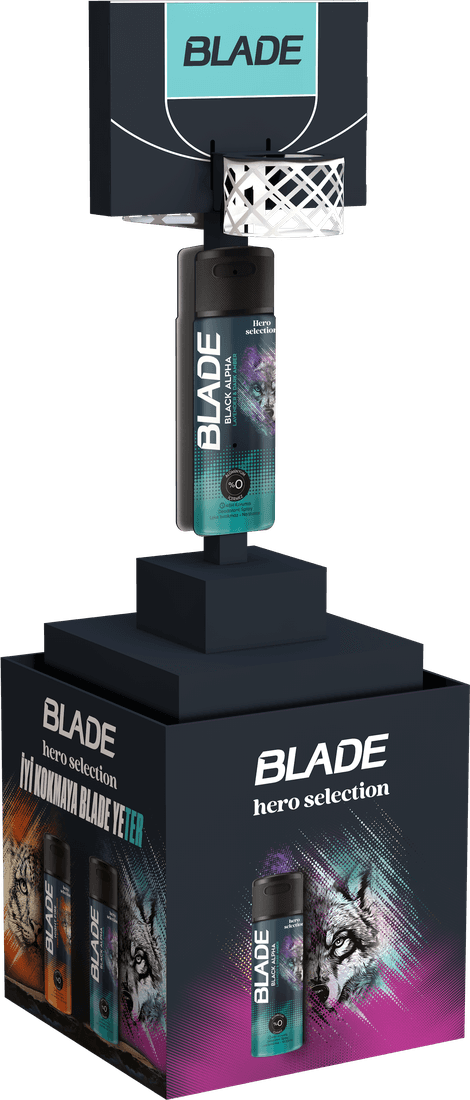
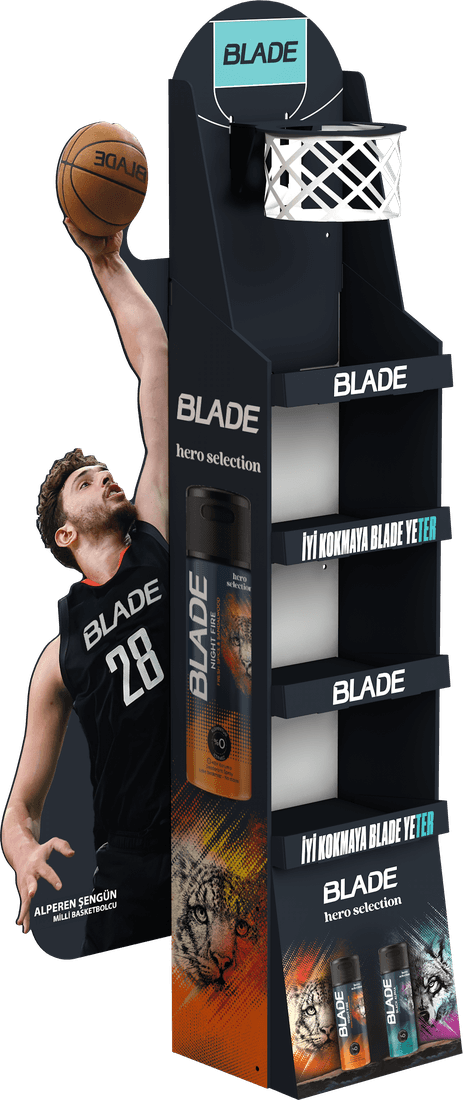
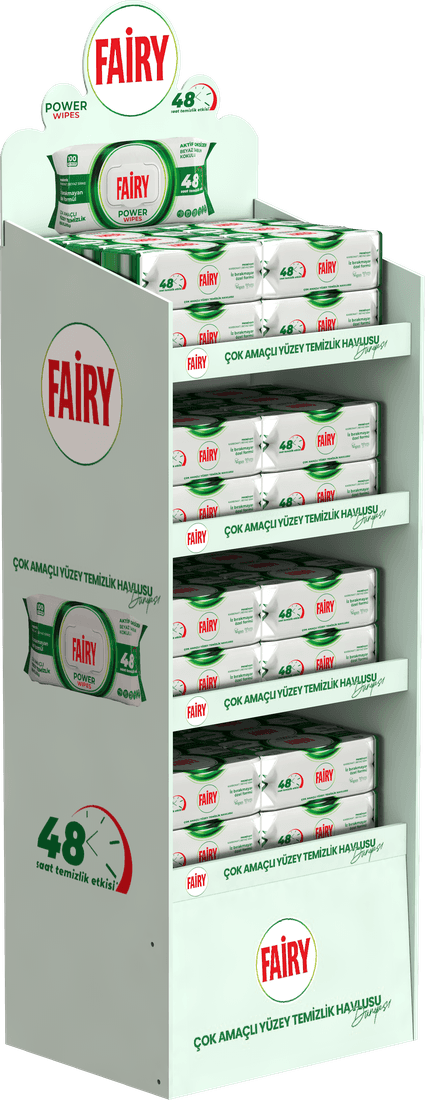
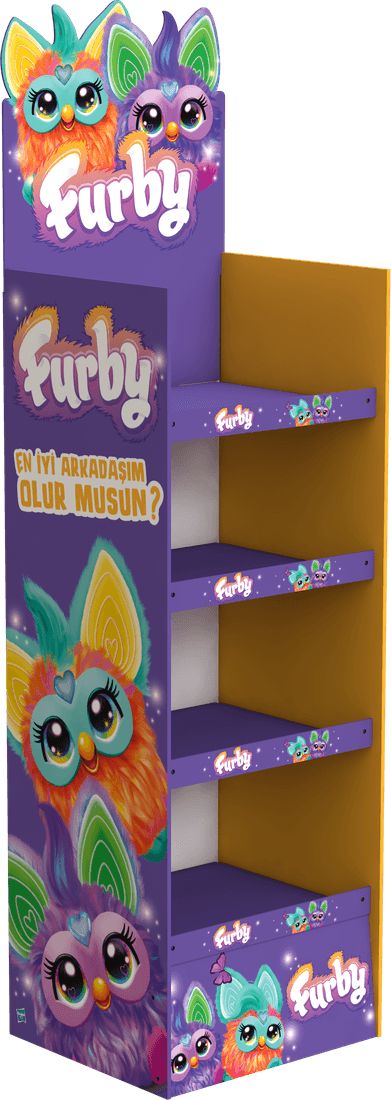
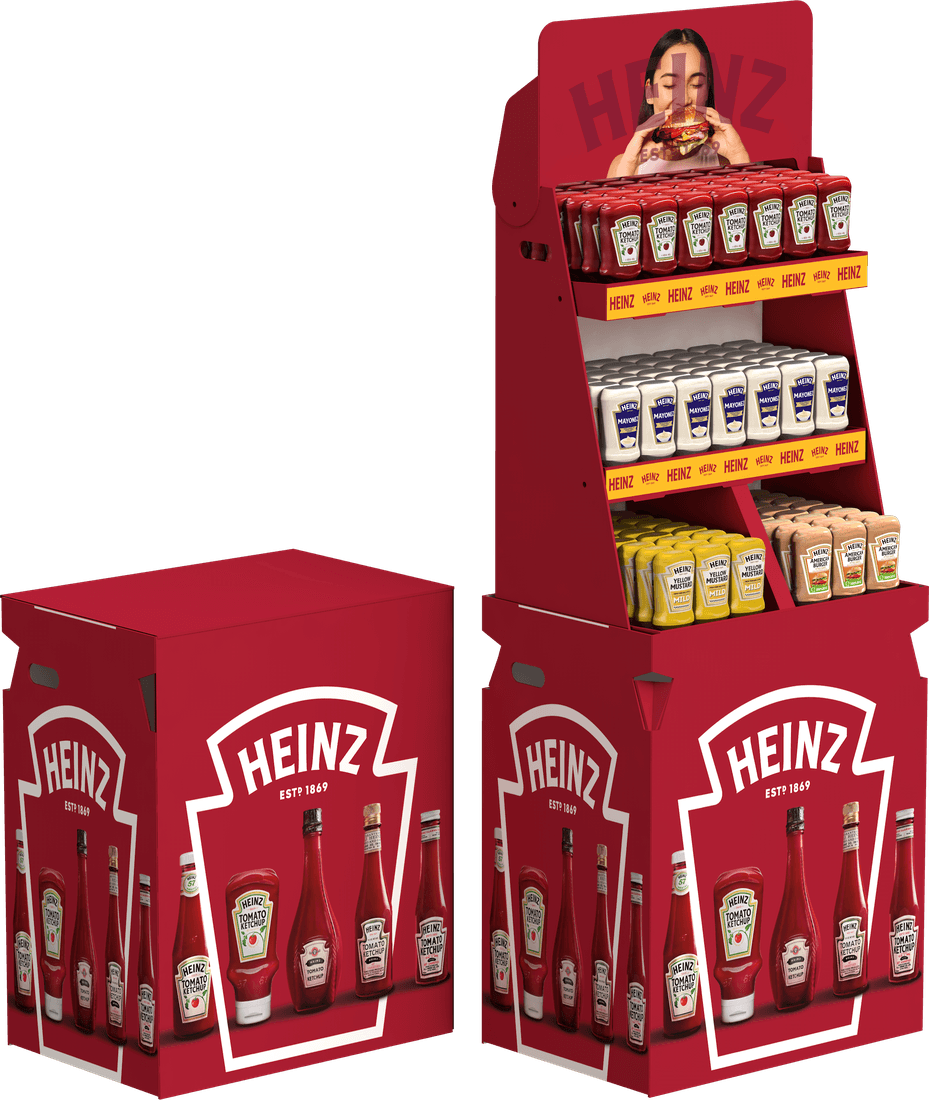
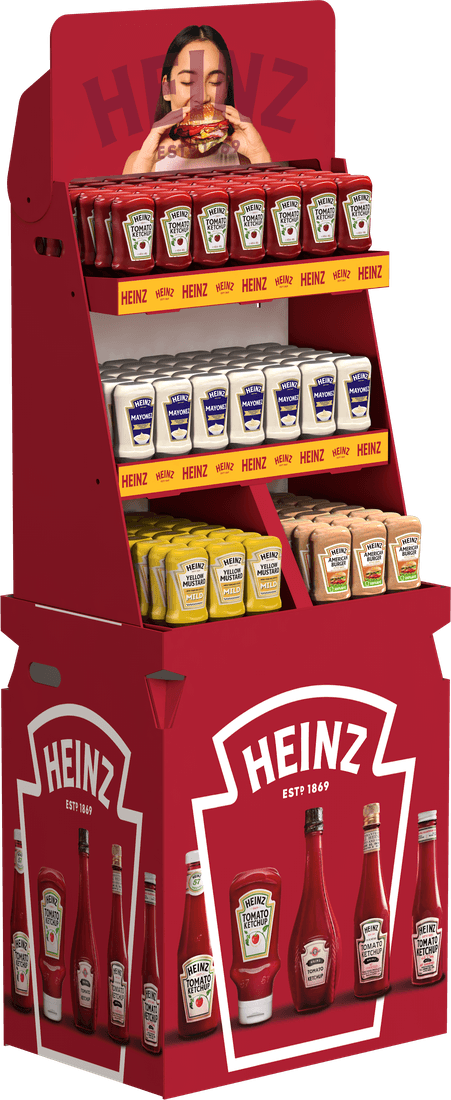
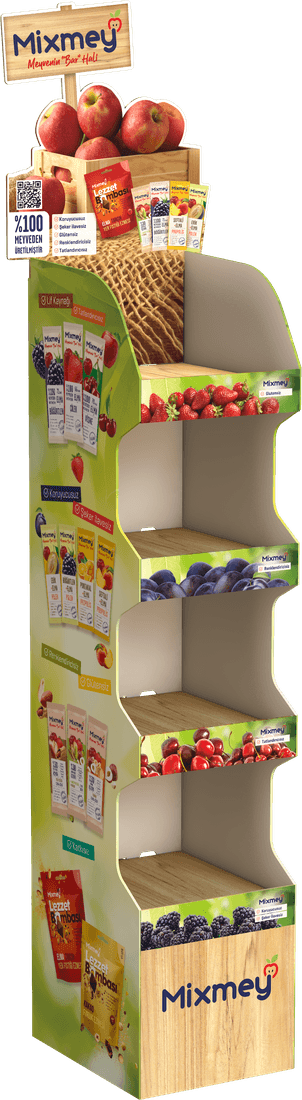

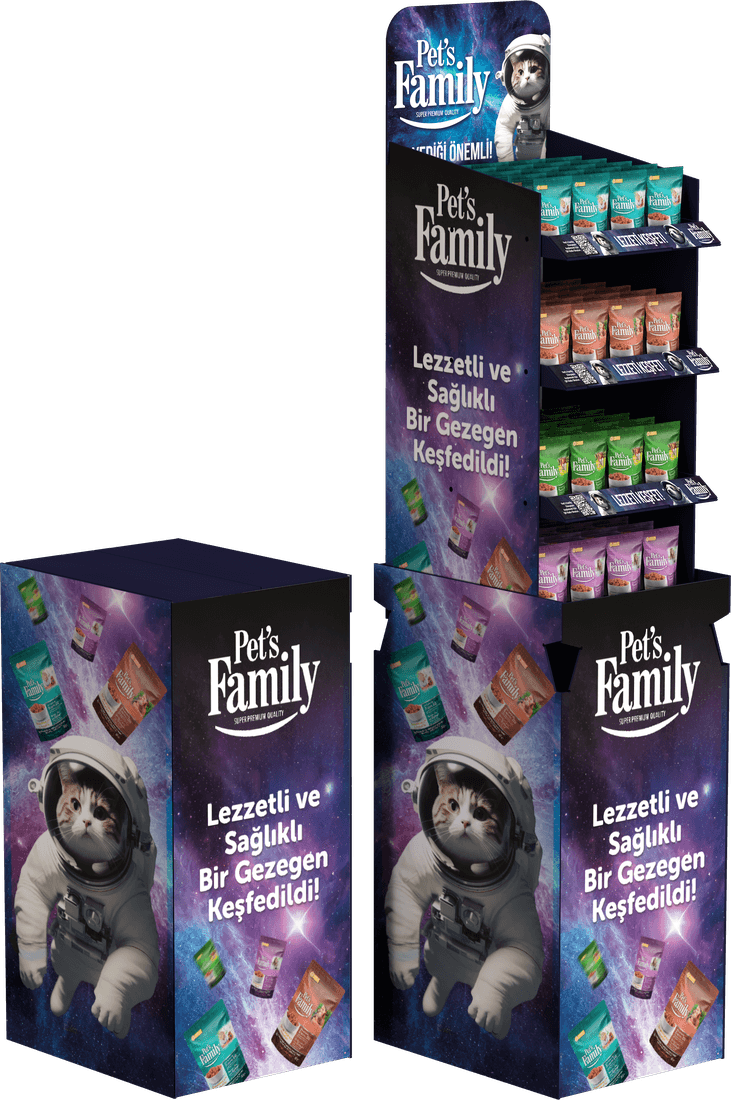

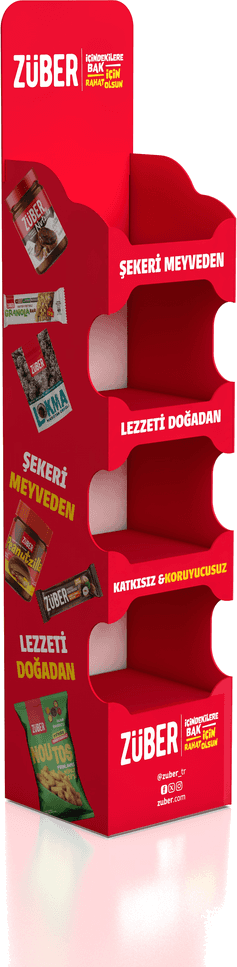
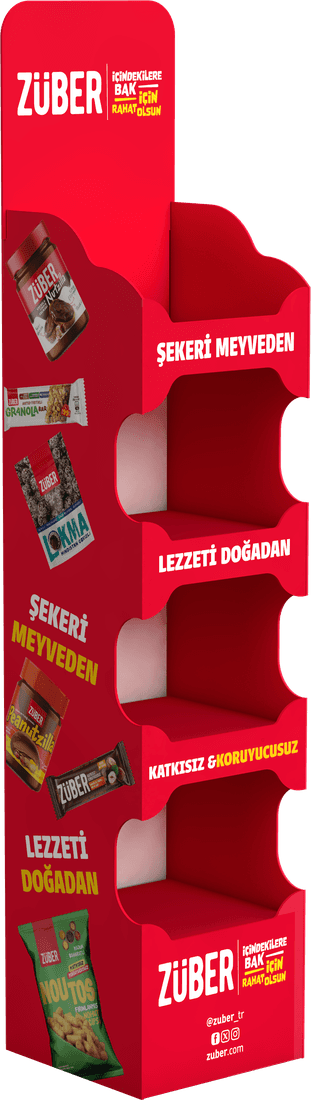
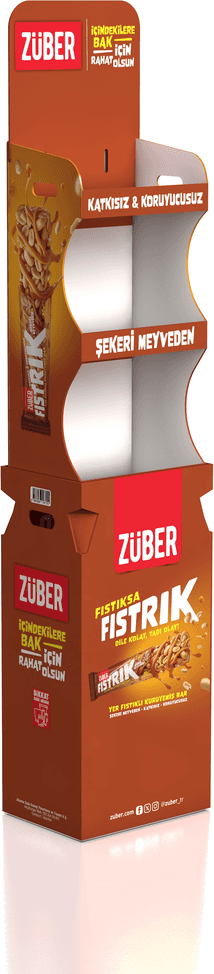
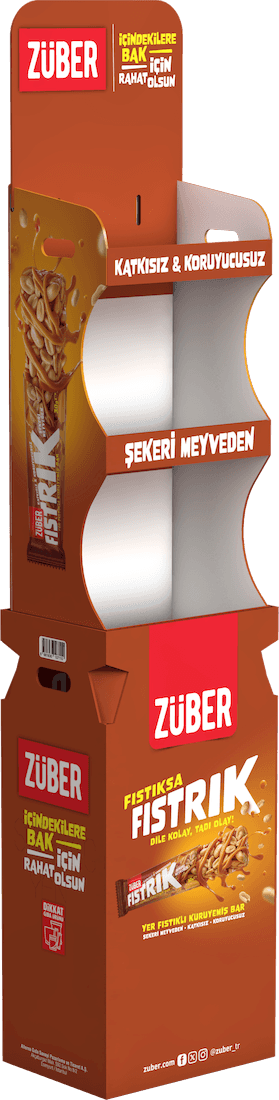
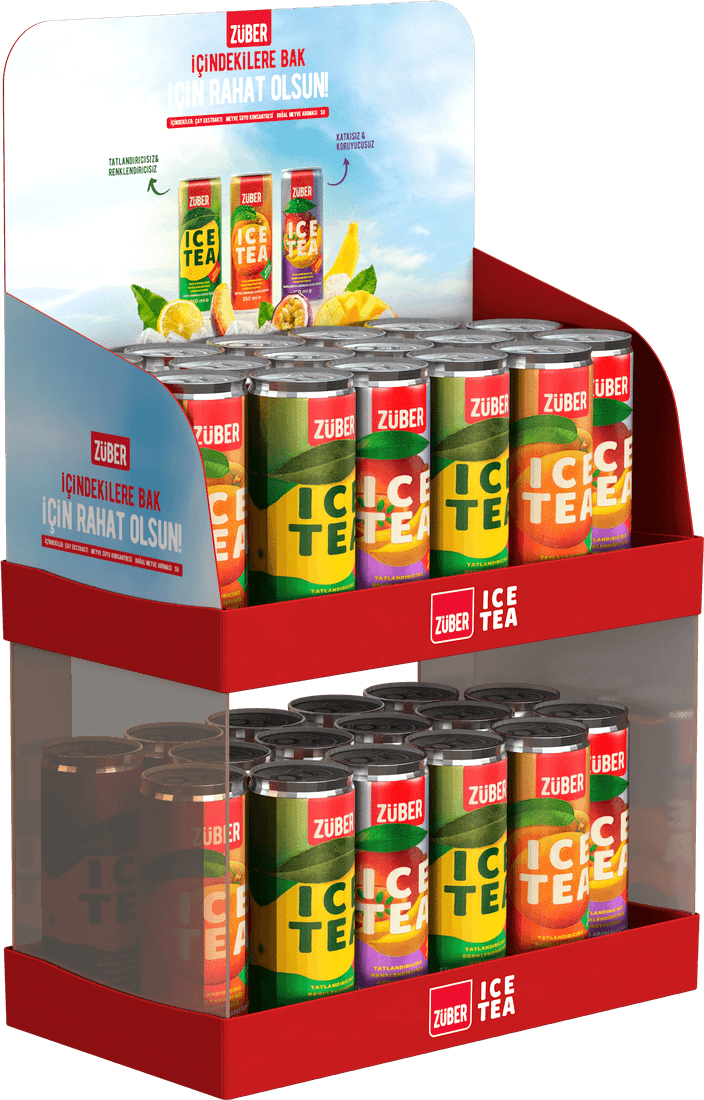
Free-standing cardboard displays that one person unfolds and sets up in minutes, with no tools or glue. The body ships flat and the shelves lock into place. The widest family in the cardboard range.
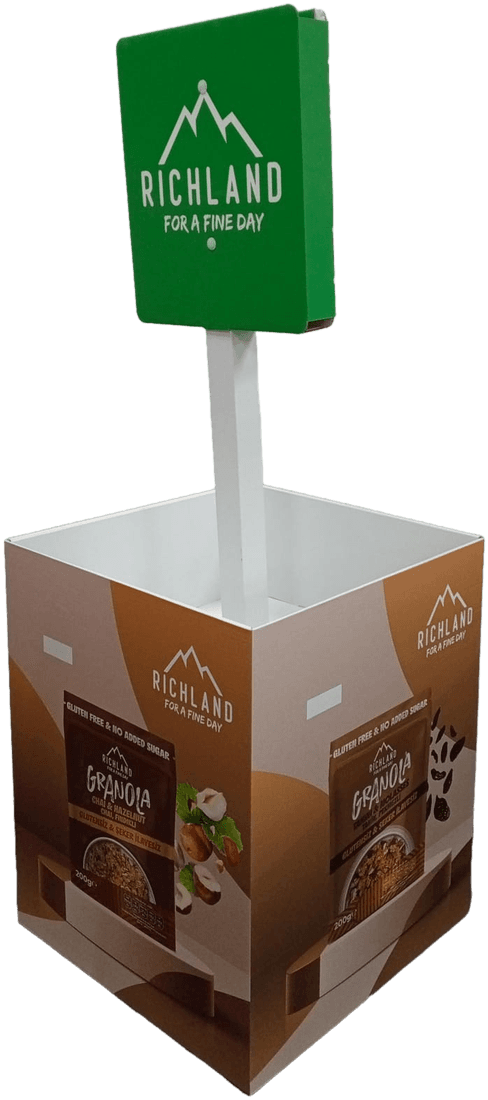
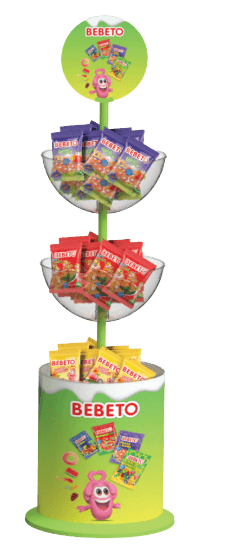
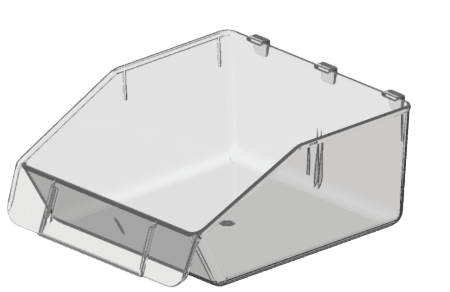
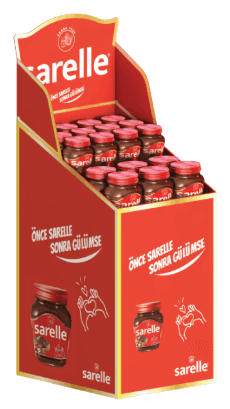
A deep-bin dump form that keeps loose and bagged products visible from above. The header sign reads from a distance; the bin is filled in one go and self-presents as it empties.
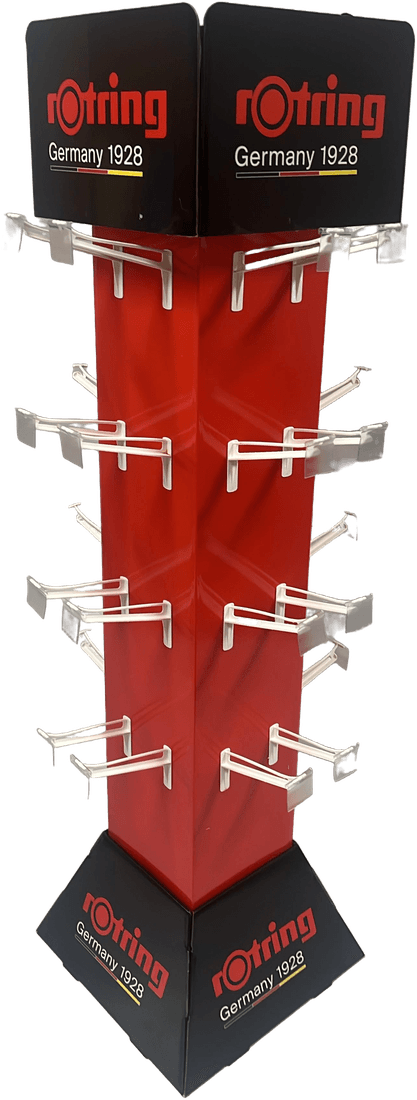
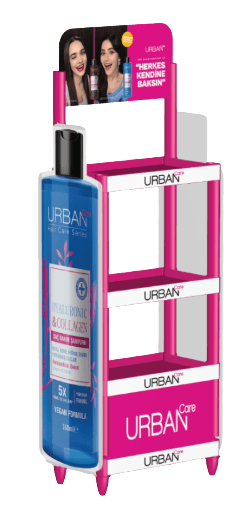
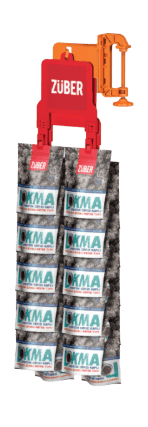
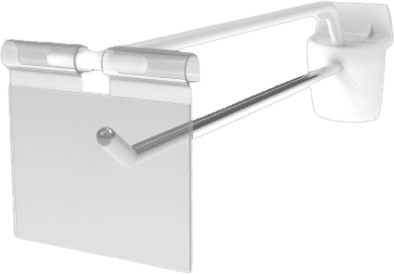
A body fitted with hooks for bagged and blister-packed products. The hooks slot into the cardboard or are carried on plastic reinforcements; common for stationery, cosmetics and pet care.
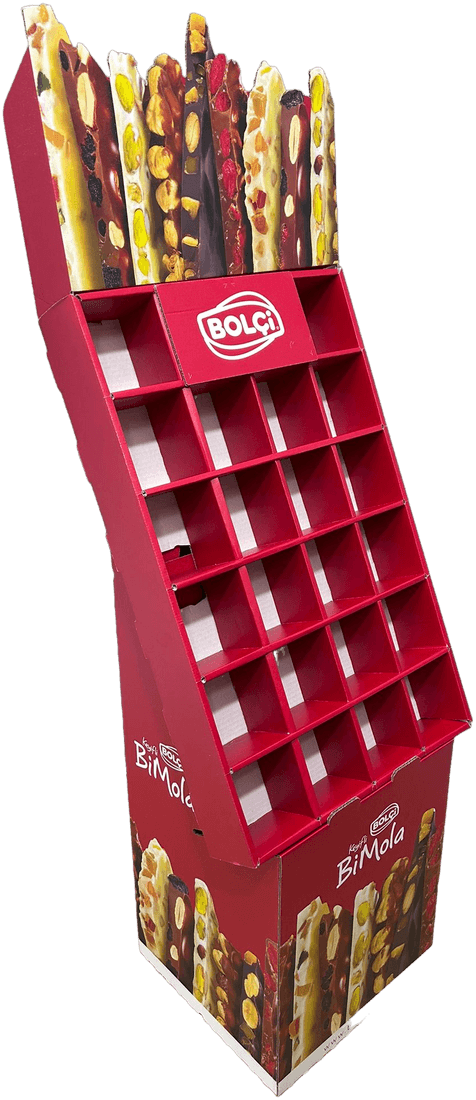
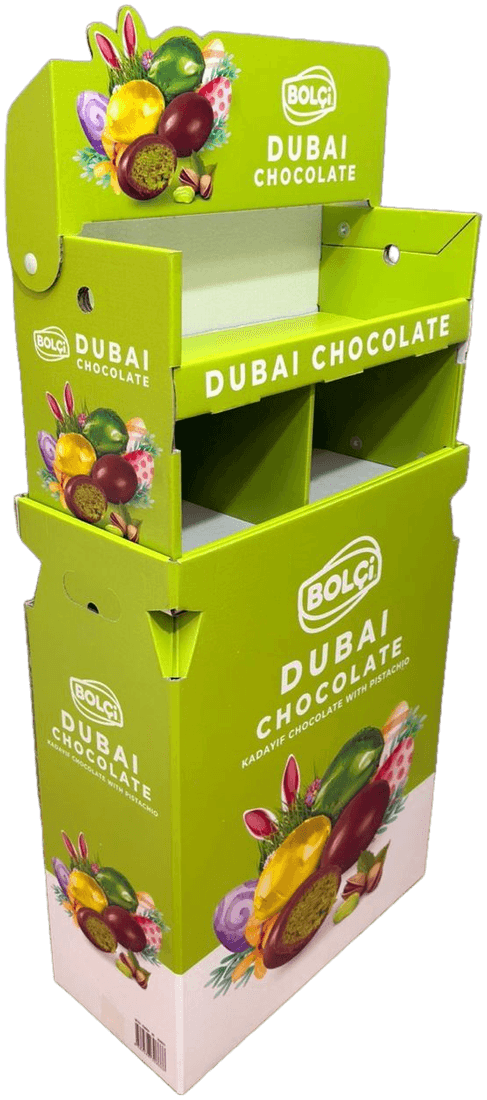
A display whose shelves are divided into cells. Each cell keeps one product or variant apart; for magazines, chocolate and small packs it keeps the facing tidy and stock easy to count.
Products are loaded into the body at production and the display travels as its own shipping carton. In store the body drops onto its base; the display is ready in seconds with no product arrangement.
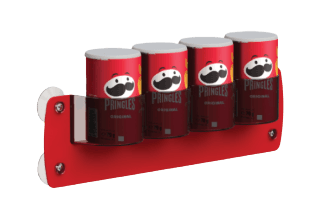
Small-footprint units for the till, counter and desk. For impulse products, samples and brochures; they stay below eye level and leave the counter usable.
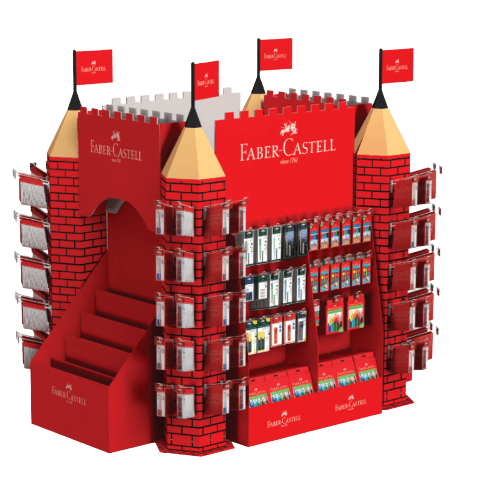
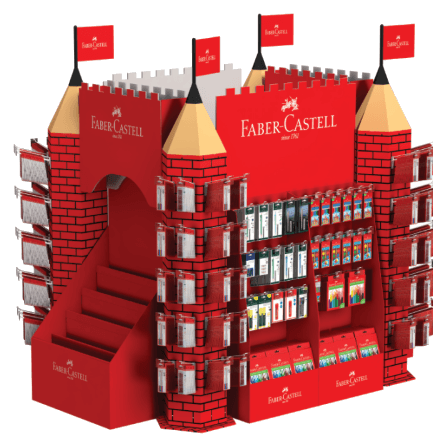
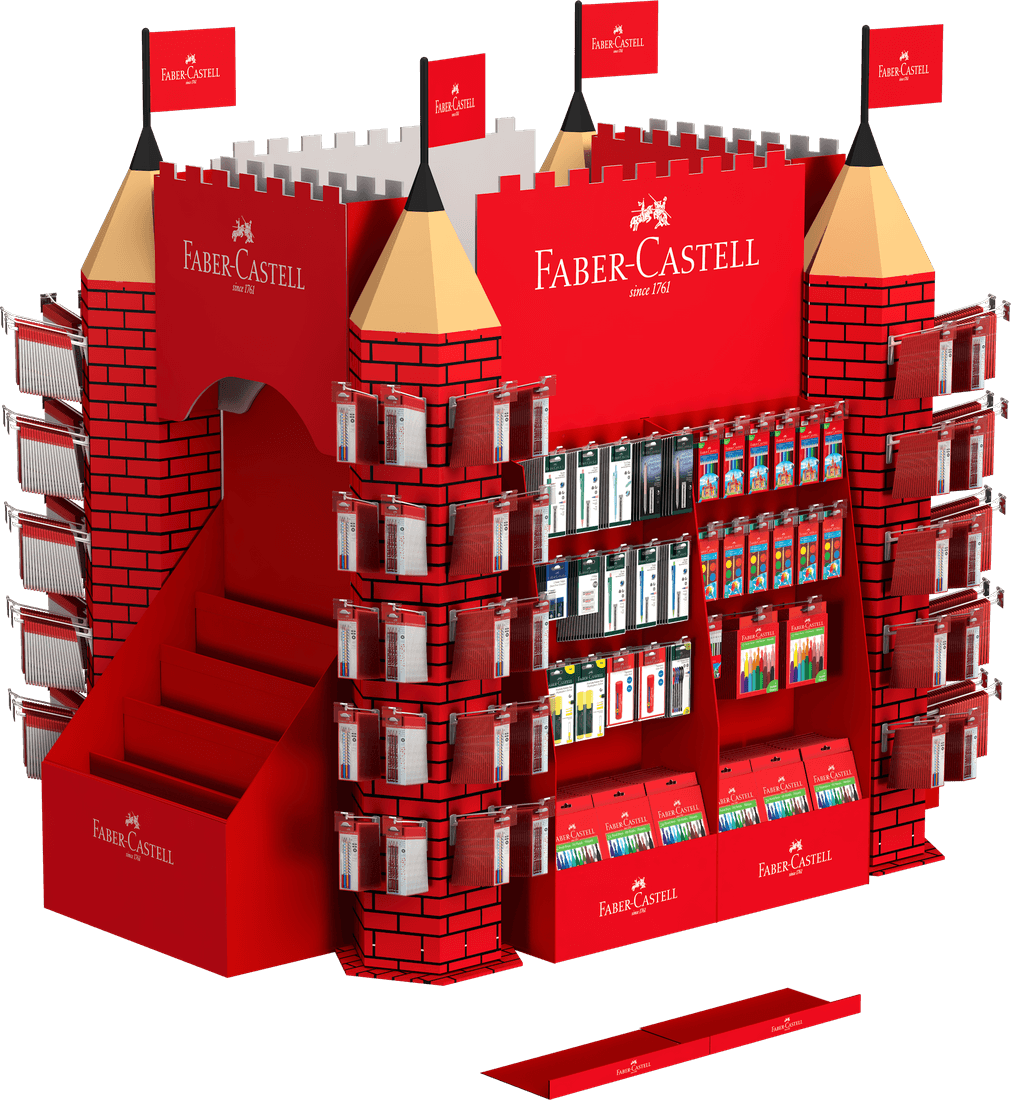
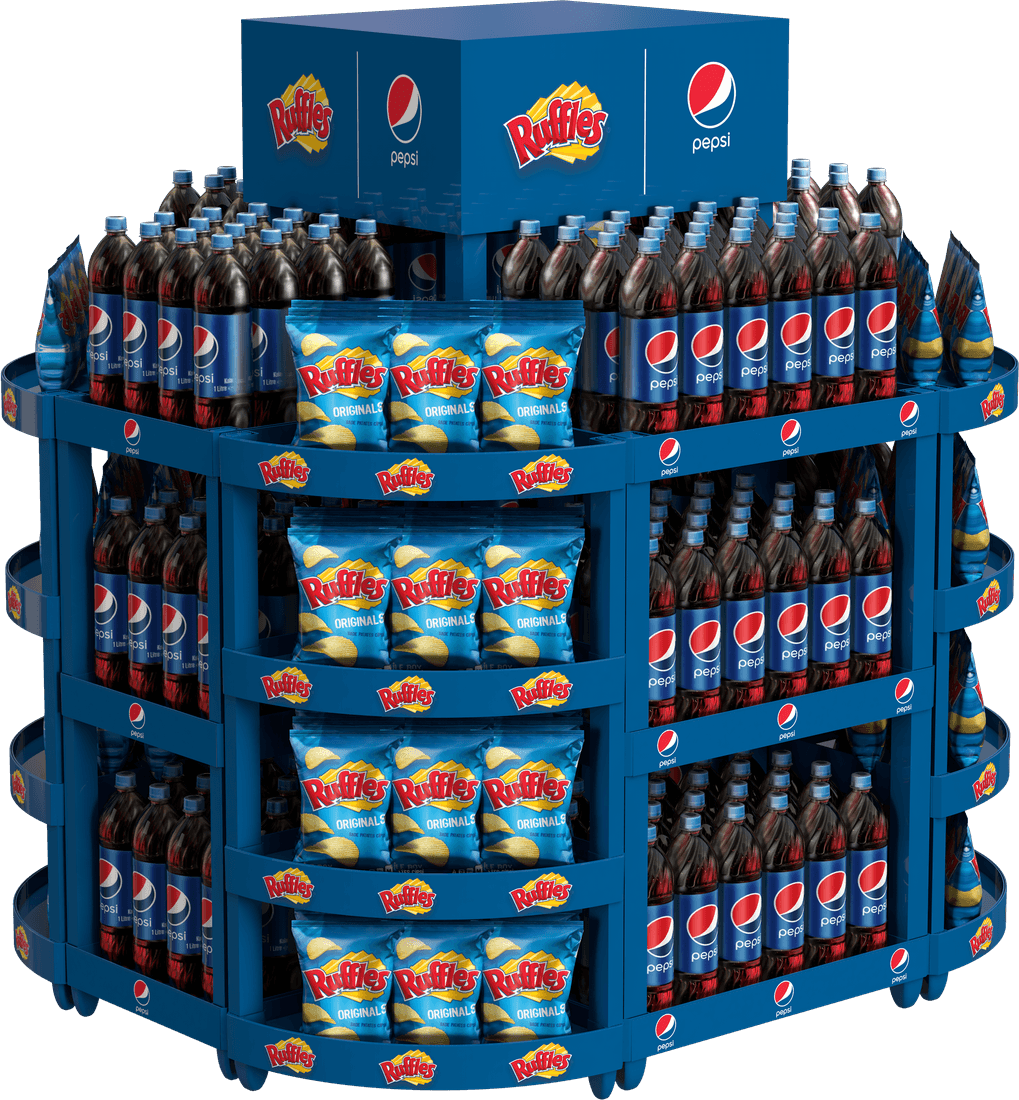
Large builds that stand alone mid-floor and are approached from every side. Themed bodies like Faber-Castell’s castle belong here; the unit becomes the campaign’s centre in the store.
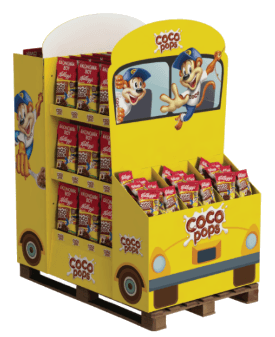
Custom die-cuts that carry the campaign theme into the body’s shape: a bus, a castle, a house, a character silhouette. The cutting die is project-specific; design, not tooling, sets the limit.
Cardboard wraps for security gates, columns and passages at the store entrance, plus free-standing totems and over-door arches. They carry no product; they make the campaign visible at the point of entry.
Free-standing and hanging cardboard signboards. They carry the campaign artwork above the shelf, at the aisle end or from the ceiling; printed and shipped together with the displays.
Shelf strips, shelf talkers, wobblers and small checkout pieces. They flag the brand on the shelf where the product already sits; used alongside a display or on their own.
The cardboard range is organised into eleven product families: easy-assembly displays, dump bins, hanging displays, compartment displays, pre-filled shipping displays, countertop displays, island displays, themed displays, totem – security gate wrap – arch applications, signboards and POP materials.
Rather than offering standard products, the great majority of projects are custom-designed around the client’s product, retail space and specific goals. Producing from a cutting die makes that flexibility affordable: Faber-Castell’s castle-shaped island display and a countertop unit come out of the same production logic.
Pre-filled cardboard displays are a smart solution in which products are placed inside the display body during production, and the display itself doubles as the shipping carton. Delivered fully loaded, the unit turns into a floor display within seconds by positioning the body onto its base — it goes onto the shop floor ready to sell, with no additional product arrangement.
Lightweight, cost-effective and eco-friendly, the cardboard display offers fast setup alongside an impactful presentation that lifts brand visibility. In exchange, moisture and load resistance are limited — for heavy packaging or long-term use the body should move to plastic.
Most projects start from the client’s product and retail space rather than from a standard unit.
The cardboard body is separated and recycled once the campaign ends, and its light structure also cuts freight.
Easy-assembly systems need no tools. On the pre-filled model the product is loaded at production; in store the body drops onto the base and the display is ready.
The great majority of projects are custom-designed around the client’s product, retail space and goals.
Low body weight eases both freight cost and handling inside the store.
Die-cut production needs no tooling investment, and the unit price falls quickly as volume rises.
The cardboard body is separated and recycled once the campaign ends.
Easy-assembly systems need no tools, and on the pre-filled model setup drops to a few seconds.
Because the pre-filled display needs no product arrangement, field teams spend less time per store.
The whole body is print area, so campaign artwork runs uninterrupted across every face.
Products are placed inside the display body during production, and that body doubles as the shipping carton. At the store the only step is positioning the body onto its base; the unit becomes a display within seconds and needs no product arrangement. That cuts the time field teams spend per store noticeably.
Position and product decide. For a unit standing alone mid-floor, the island display; for shelf-line placement inside the aisle, the easy-assembly display. Loose and bagged products go to the dump bin, hooked and blister packs to the hanging display, and products arranged by variant — magazines, chocolate — to the compartment display. At the till and on counters the countertop display is used. If fast in-store setup is the priority, move to the pre-filled model; to show the campaign at the entrance, add totem, security gate wrap and arch applications.
In dry store conditions we target the typical campaign window of 4–12 weeks. In damp areas — in front of coolers or near entrances — life shortens noticeably, and there we recommend a plastic body.
Yes. We build hybrid units with plastic load-bearing shelves and cardboard graphic surfaces, keeping both capacity and print flexibility.
It can. Shelf count, spacing and heights are set by the packaging dimensions, and since no tooling is involved, adding or removing a shelf during design brings no extra tooling cost. Packaging height, ease of picking and the load per shelf are weighed together.
There is no fixed size list for cardboard displays; the great majority of projects are designed around the product and the retail space. Three things set the size: the packaging dimensions, the width of the spot the unit will occupy, and the pallet shipping layout. Choosing a size close to an existing cutting die shortens both cost and lead time.
It depends on the printing method. We work from a minimum of 150 units with digital printing, and from 200 units upwards with offset. Digital suits low-volume launches and test runs; offset is preferred on high-volume campaigns because it brings the unit cost down.
Fifteen to twenty kilograms per shelf is typical. On custom designs the capacity can go higher: support brackets are added beneath the shelf, or the load-bearing shelves are produced in plastic while the graphic surfaces stay in cardboard. For heavy products, shortening the shelf depth also improves load safety.
Three things set the timeline: design approval, the printing method and the order quantity. Because cardboard needs no tooling, the first sample arrives noticeably earlier than with plastic or timber; series production is then scheduled against the print and die-cutting plan. We confirm the delivery date for each project once the design is approved.
We set dimensions, shelf count and print area around your product.