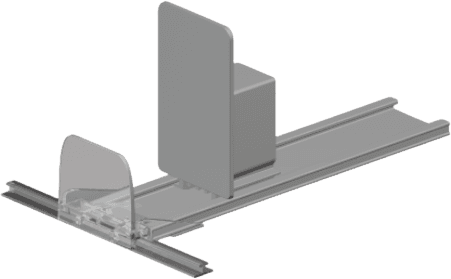
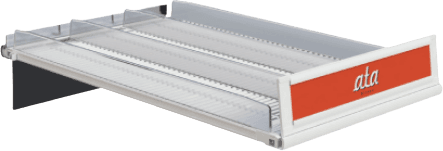
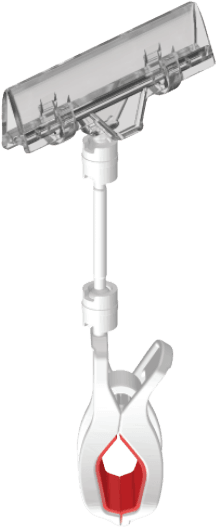
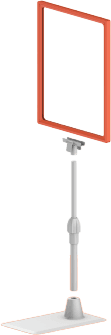

17x31
- Code
- 2.0001A
- Inner sizes
- 175 × 314 mm
- Outer sizes
- 179 × 320 mm
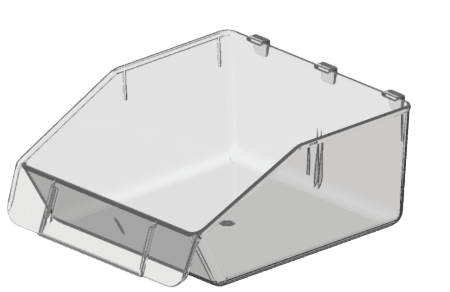
The smallest size in the range. It offers a compact display area for narrow shelf pitches and small-packaged products.

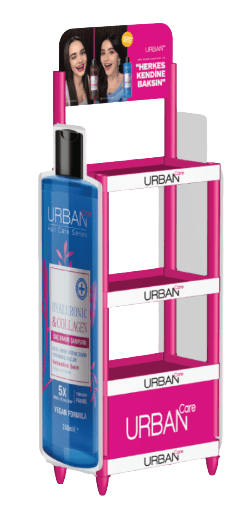
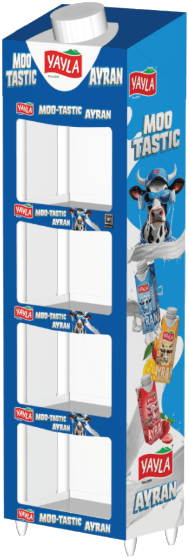
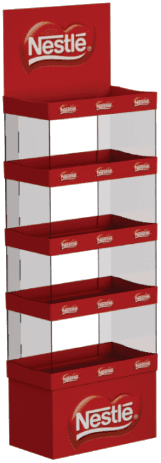
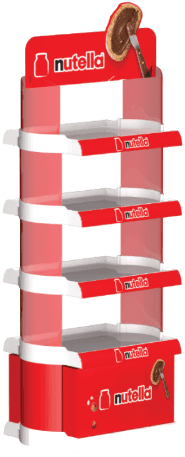
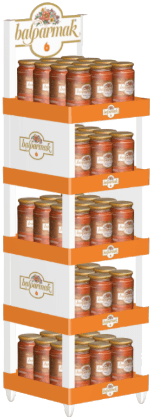
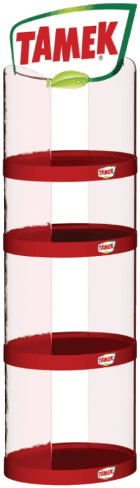
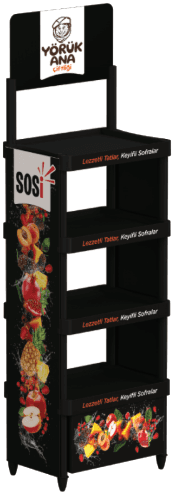
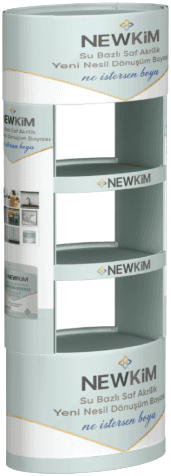
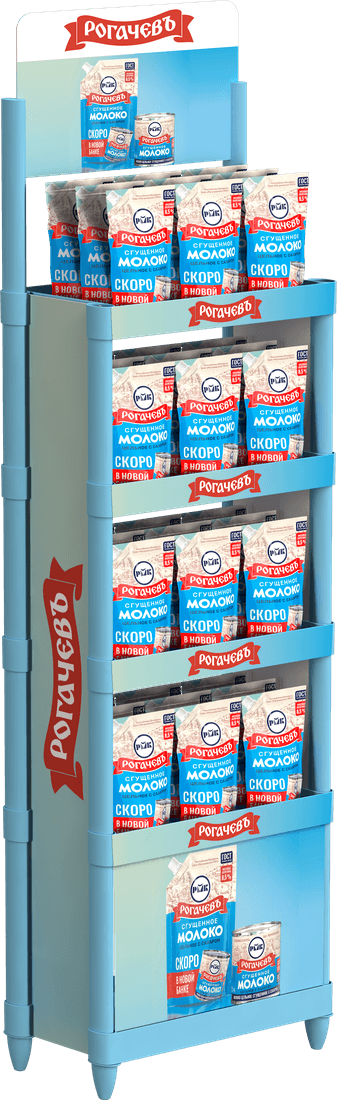
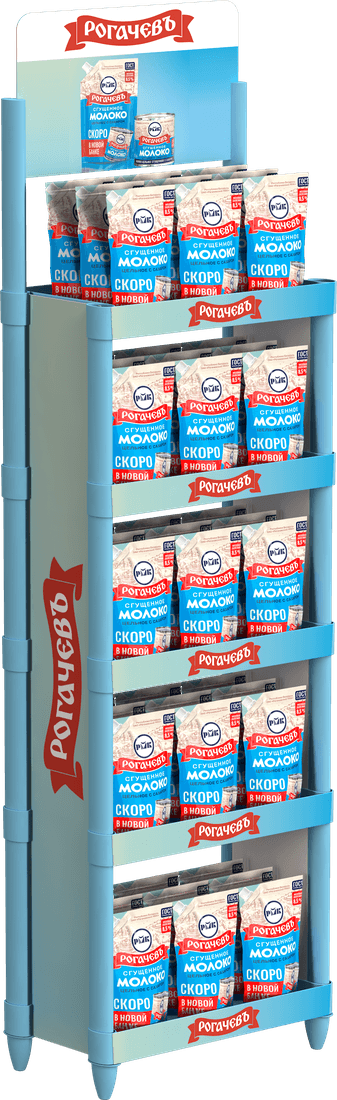
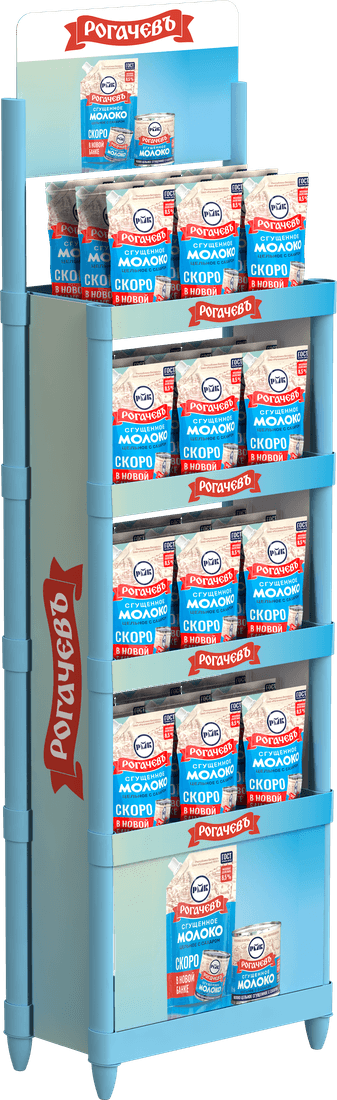
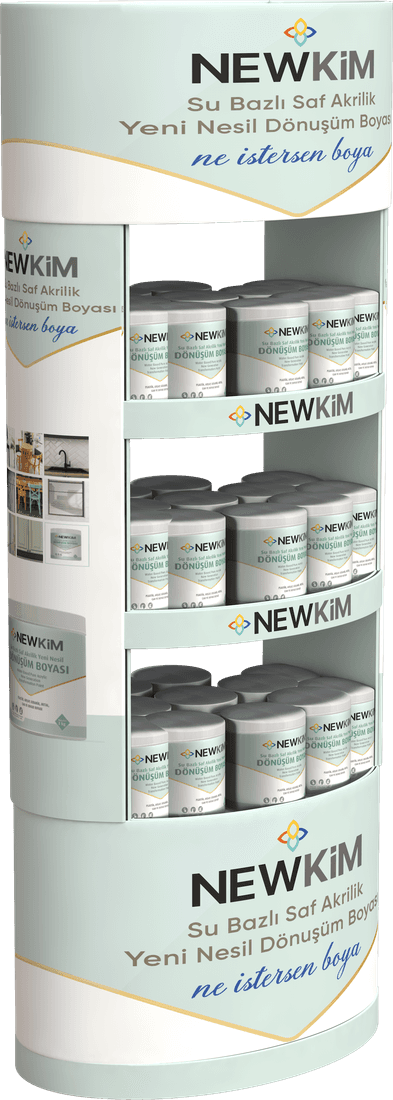
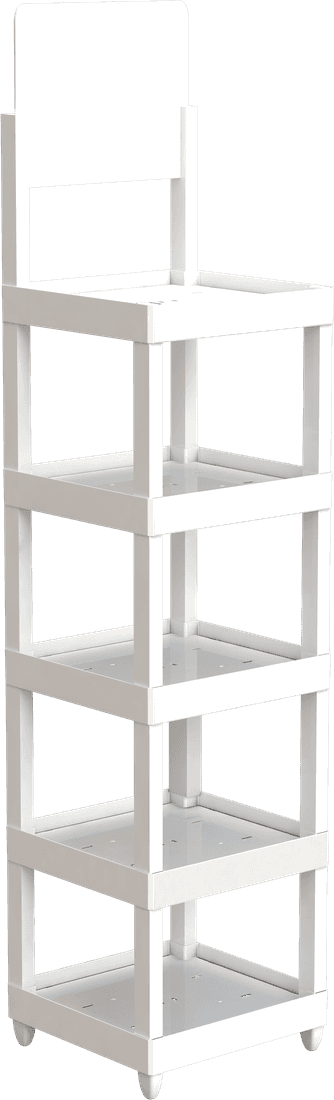
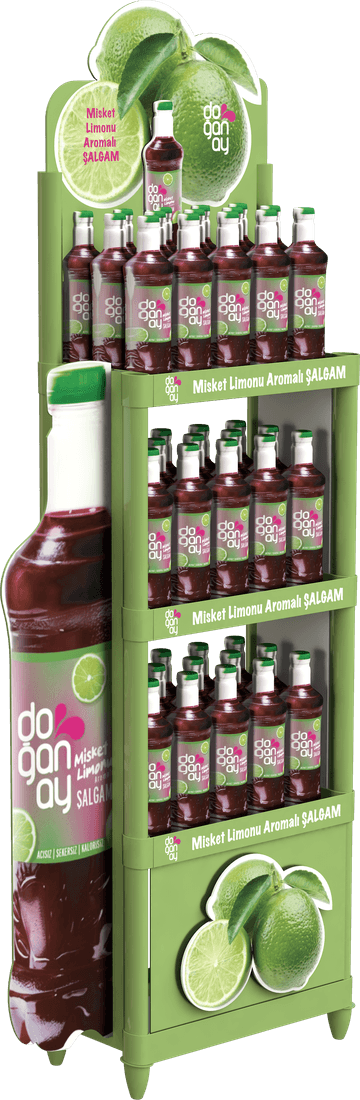
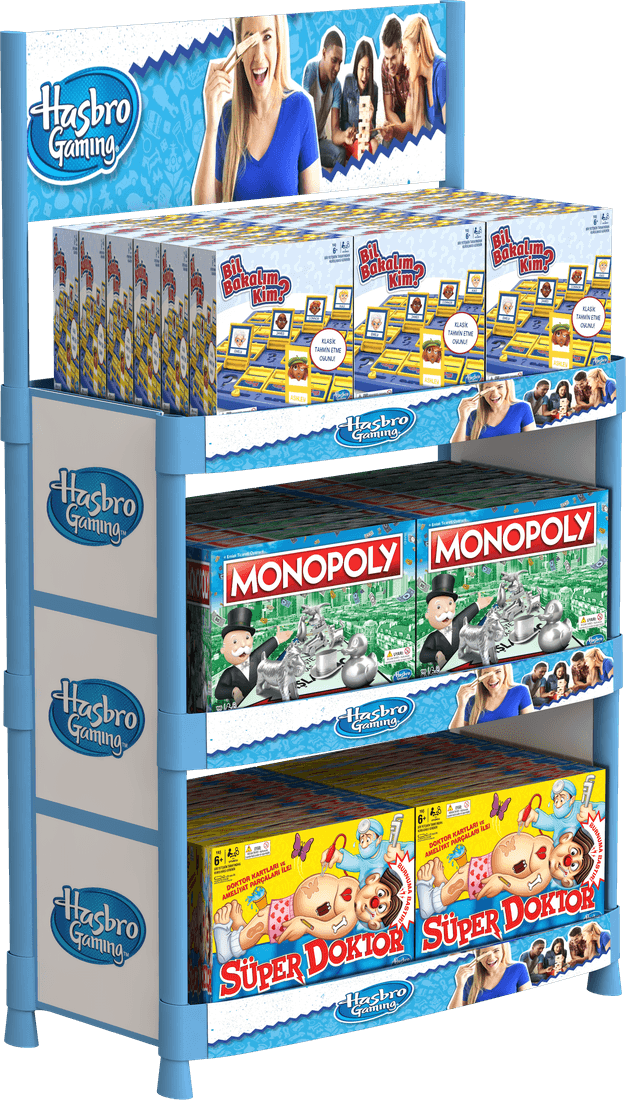
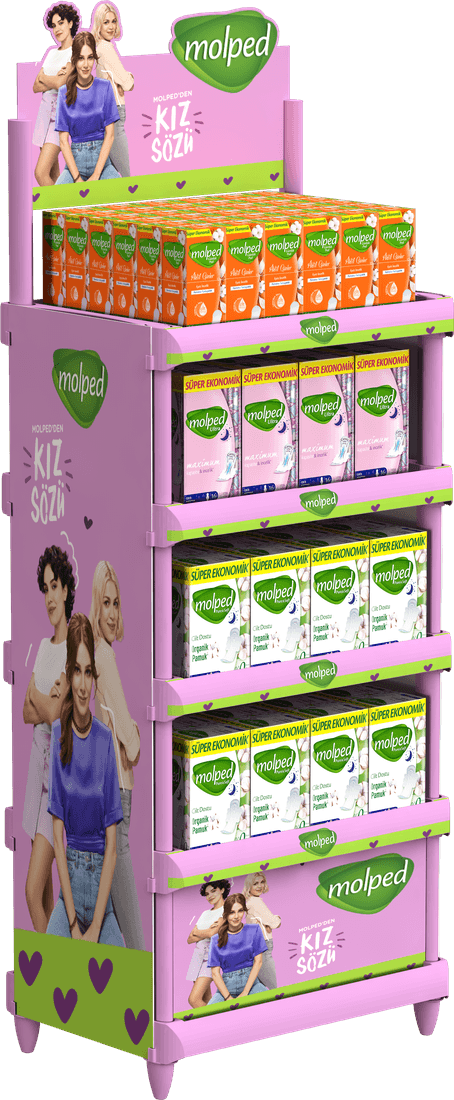
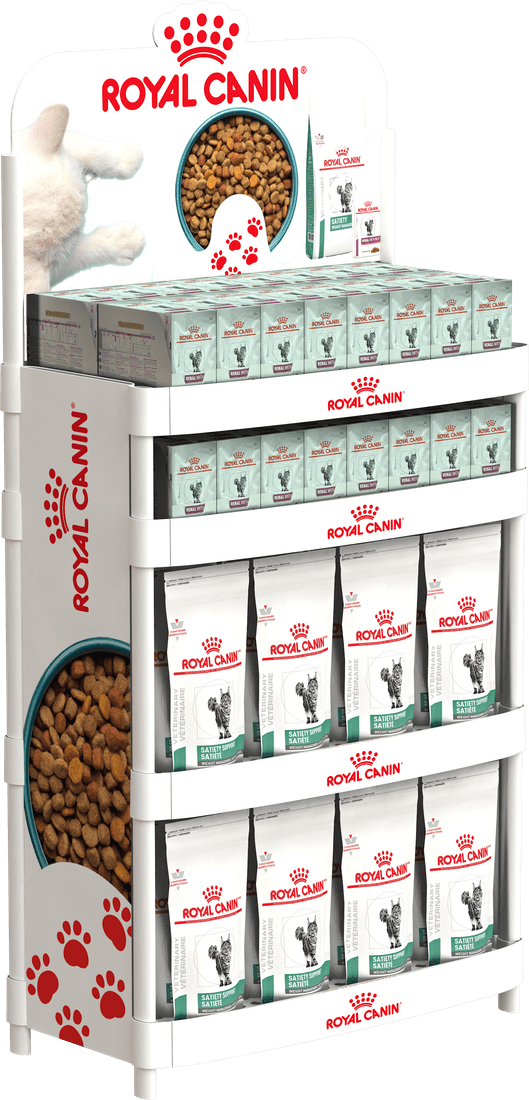
The smallest size in the range. It offers a compact display area for narrow shelf pitches and small-packaged products.
A wider version of the 17x31 model. It provides roughly 4 cm more shelf width at the same depth.
With a shallow depth option and a width of approximately 40 cm, this model offers perfect ergonomics for all types of small-packaged products. It provides an efficient display area for narrow point-of-sale stands that require both high visibility and easy accessibility.
A version of our 25x40 model with depth increased by 1 cm through a small extension. It may be the ideal solution for product groups that require a slightly deeper display area.
Its 38x38 cm square structure is a versatile solution for both deep and wide packages. It promises a balanced presentation with its symmetry.
With its large internal volume and high load-bearing capacity, it is a robust solution for high-volume or heavy product display needs. Its expansive surface area allows for diverse visual branding, creating a distinct impact on brand awareness and perceived quality.
With an expanded surface area reaching 36x47 cm and a specialised under-shelf support structure, this model offers high load-bearing capacity and ideal display opportunities for medium-volume products.
As a variant of the 36x47 model, this version provides a wider and more effective surface area through its flat shelf edges. Enhanced with various material and shape selections for visual elements, it allows numerous customised design options to suit your branding.
As the high-capacity flagship of our range, this model features a massive internal volume of 40x80 cm. Designed for supermarket centre-aisles or expansive display points, it offers an unrivalled presentation area for everything from bulky consumer goods to the heaviest industrial product groups.
Combining modern lines with a stylish design, this model ensures full compatibility with all types of visual branding. It can be customised with transparent or coloured panels and graphic wraps, while its reinforced side panels let high-volume stock be displayed securely at the point of sale.
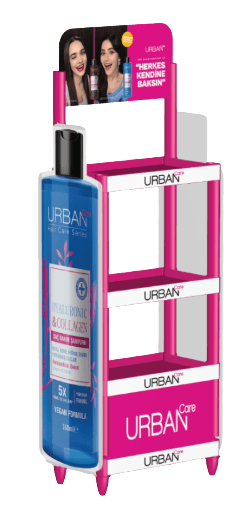
A revised version of our 36x42 model, optimised for higher-volume products. It can be customised with transparent or coloured panels and applied graphics, and is a preferred model across many sectors, particularly cosmetics and healthcare.
Designed to provide maximum product density in restricted spaces. Despite its compact structure, its depth enables the organised and accessible display of fast-moving consumer goods such as snacks, personal care and food items.
The majestic version of our 33x40 model, with cornerless elliptical shelves. Its robust structure makes it an ideal POS solution for product groups from beverages to chemicals, regardless of volume and weight. The shelf features integrated slots front and rear for optional metal guard rails that prevent products from tipping over.
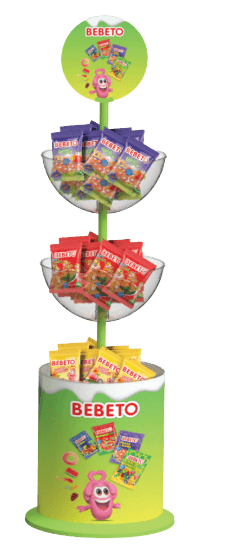
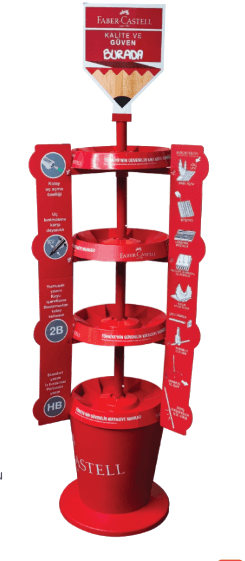
Its circular form with a 39 cm diameter offers 360° uninterrupted visibility, providing an aesthetic and modern display experience.
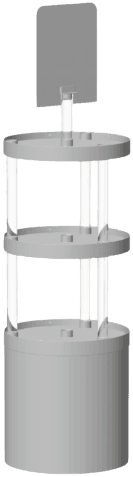
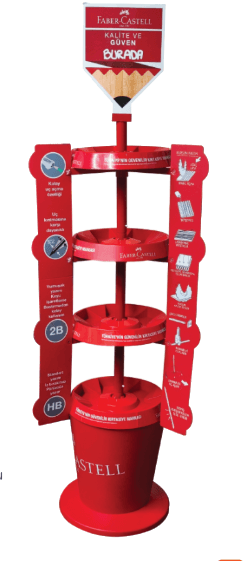
With its rotating shelves of 34 cm diameter, you can showcase a new product within this injection-moulded display. The tray is designed around the product: the number of compartments and the shape of each recess are set by the packaging it will hold.
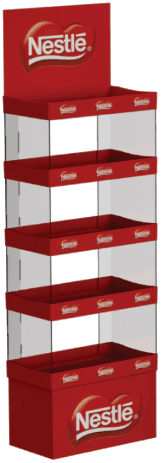
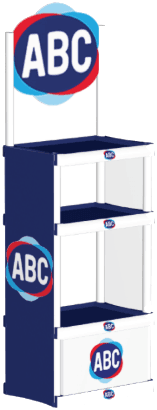
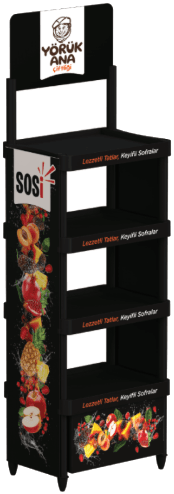
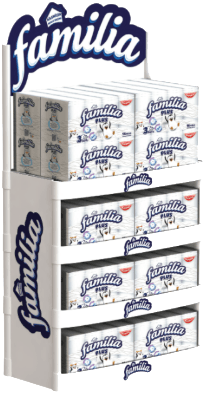
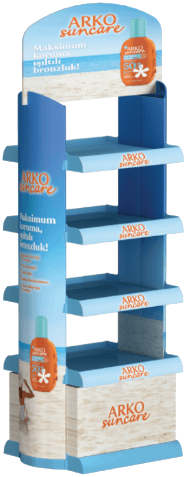
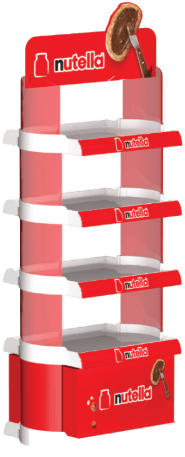
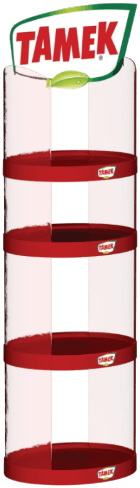
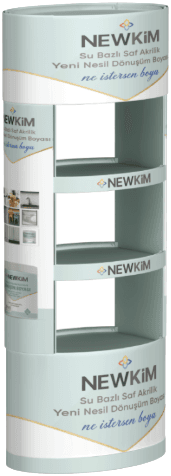
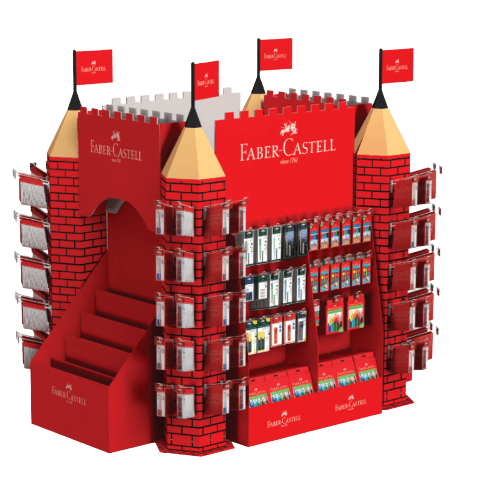
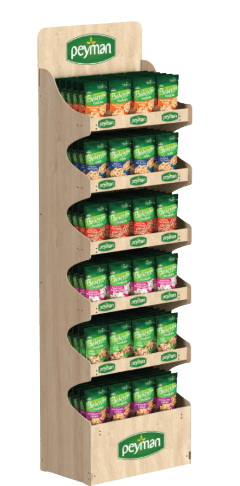
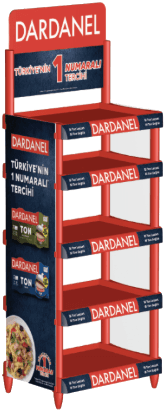
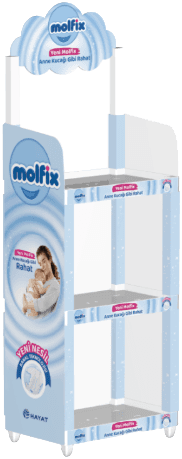
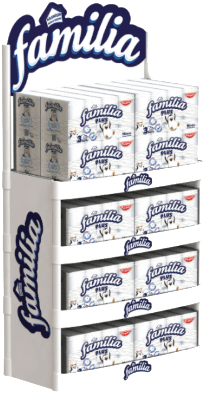
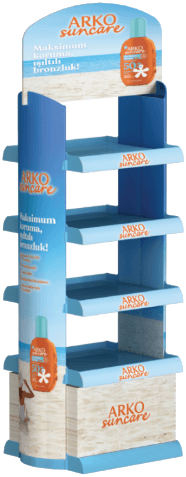
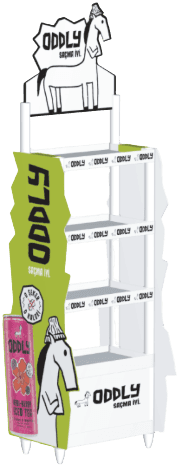
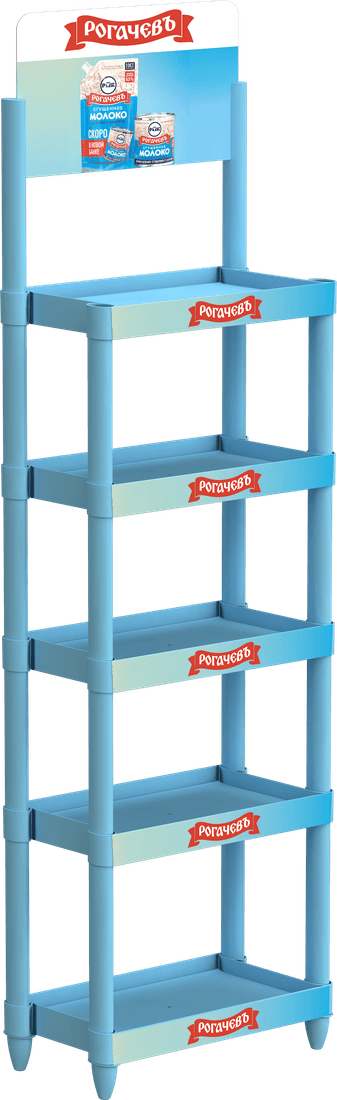
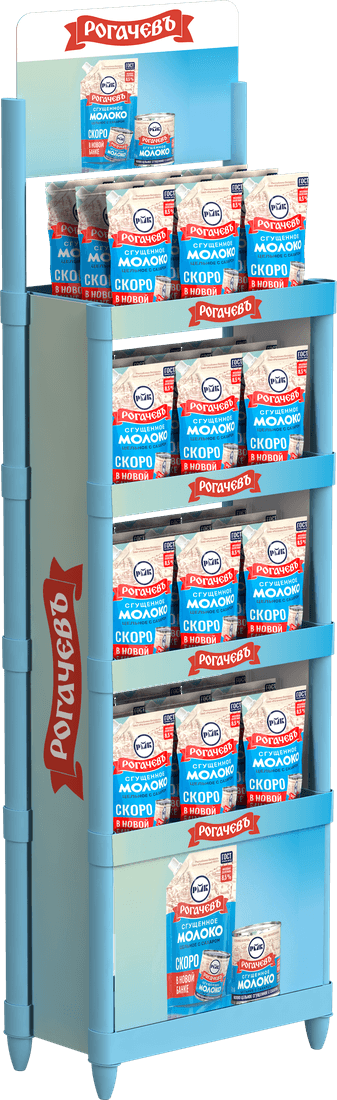
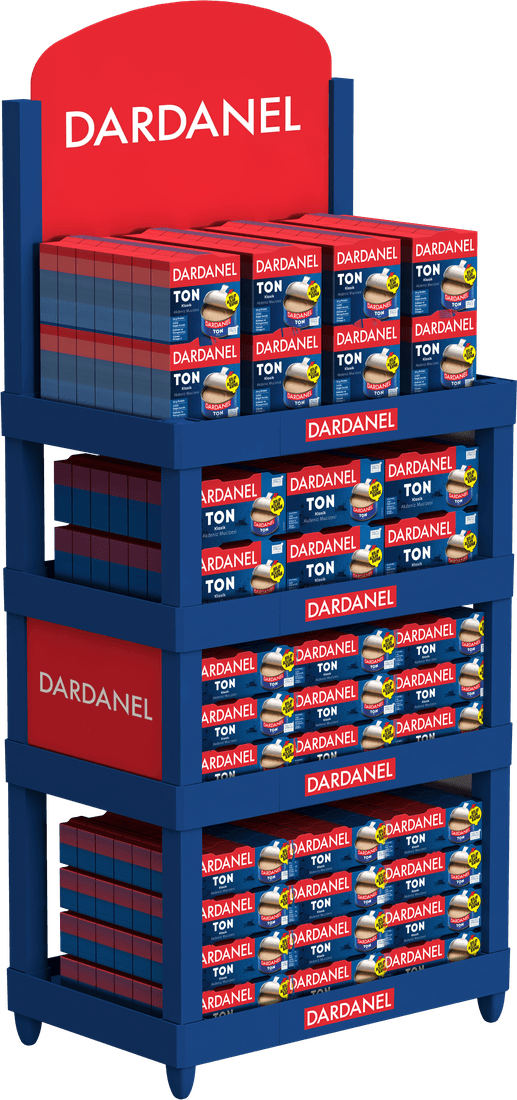
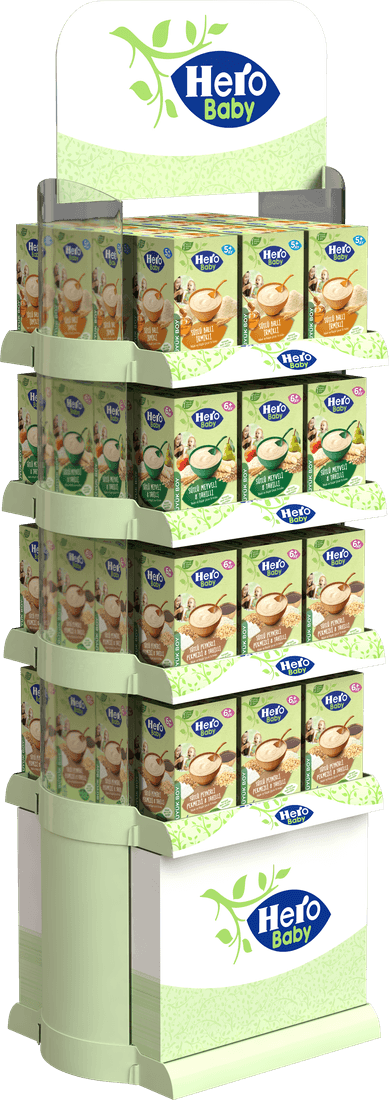
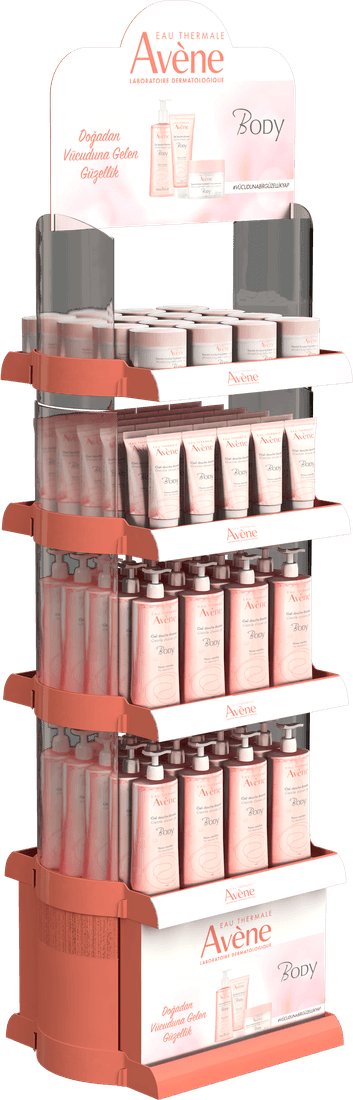
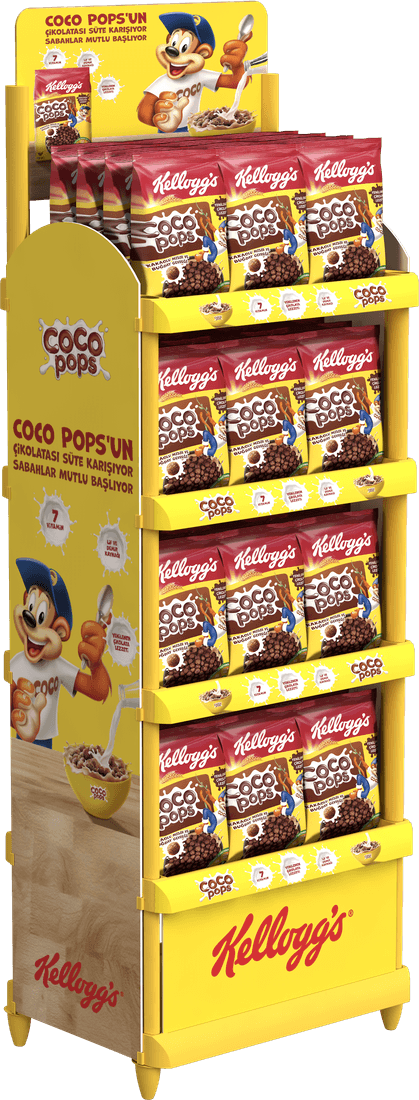
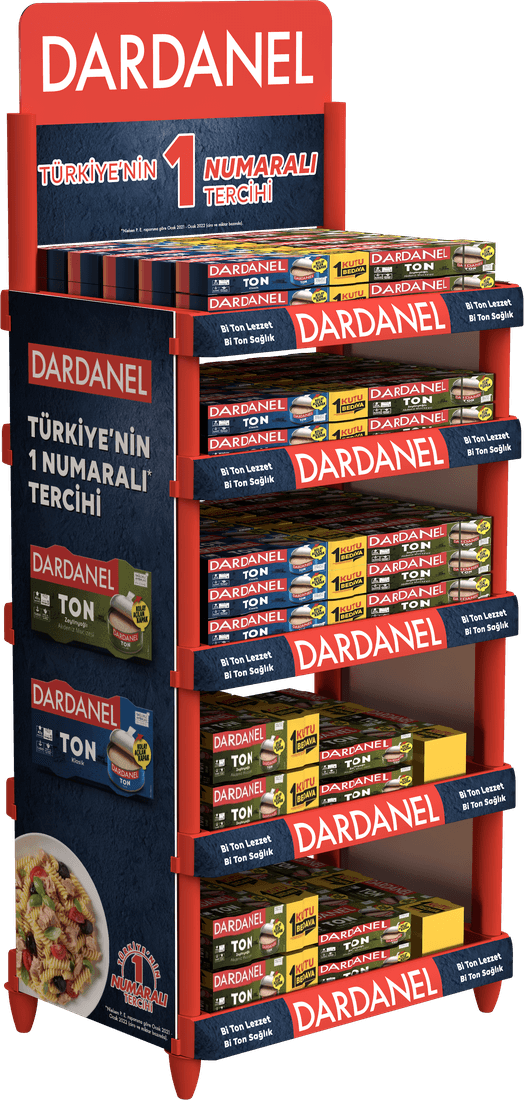
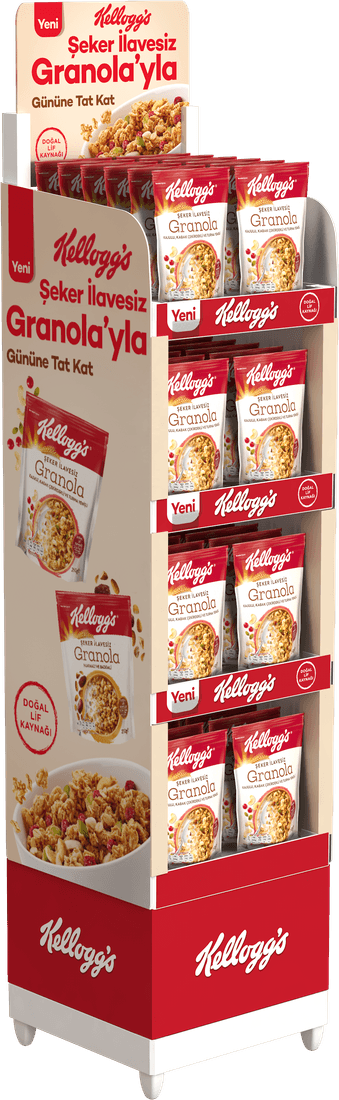
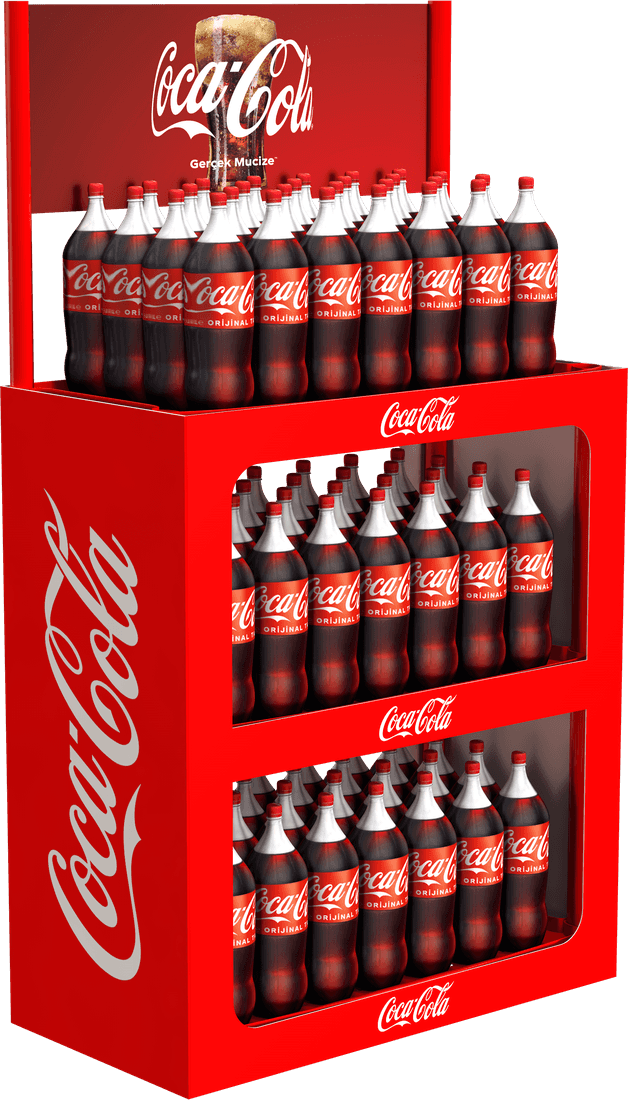
Injection moulded floor displays are permanent units that stand alone on the shop floor and give the product a stage of its own. The range runs from a compact 17x31 cm body up to the highest-capacity 40x80 cm model; square, rectangular and round forms all come out of the same connection logic.
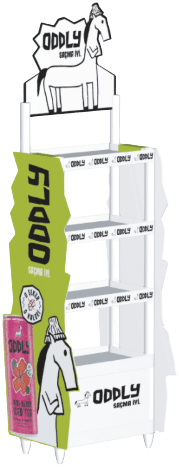
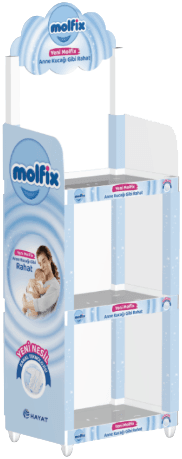
The bodies are standard; the configuration is yours. Shelf count and spacing are set by the package size and weight of the product, and the header and body surfaces are dressed in the brand’s own graphics. Working from a body whose mould already exists brings the cost and lead time of a custom design down noticeably.
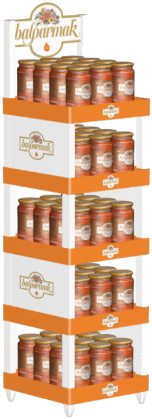
The unit’s real job is to lift the product off the shelf and carry it to where the traffic is: aisle ends, category entrances, store entrances, the checkout area and the mid-floor. It serves as a secondary display in front of coolers, as a dedicated temporary space during launches and seasonal campaigns, and as a permanent category unit in chain retail.
In return, injection moulding depends on tooling. Projects that fit one of the existing bodies are completed quickly; asking for a brand-new body form brings a mould investment and a longer schedule with it. When the volume does not justify that, dressing a standard body in brand graphics — or moving to a cardboard body for short campaigns — is the better call.
Ready for use in minutes with a “plug & play” logic — no screws or additional tools required.
Delivered flat-packed in boxes. Its lightweight, modular structure makes it easy to carry and quick to position in store.
The injection-moulded body is highly resistant to impact, moisture and liquid contact, giving long service life.
Designed and engineered with adjustable shelf counts and spacing to match your product’s package dimensions and weight, creating a custom solution for your project.
Ready for use in minutes with a “plug & play” logic — no screws or additional tools required.
Delivered flat-packed in boxes. Thanks to their lightweight and modular structure, they are easy to carry and quick to assemble.
Our injection-moulded displays are highly resistant to impact, moisture and liquid contact, ensuring long-lasting use.
Creates a dedicated space for your brand to introduce new products, highlight seasonal campaigns or clear out existing stock.
Instead of confining your products to standard market shelves, it allows you to move them to high-traffic areas such as checkout counters, aisle ends or store entrances, putting your products front and centre.
The communication spaces provided on the header and body sections maximise customer engagement and brand visibility.
Parts are designed to be made from a single material, so the unit can go to recycling at the end of its life without needing to be separated. Tool-free joints mean the display is dismantled rather than binned; with a new graphic panel the same body is reused for the next campaign.
No. The moulds for the standard bodies in the range already exist, so projects that run on those models carry no tooling investment — the unit is simply dressed in the brand’s own graphics. Tooling only comes into play when a brand-new, product-specific body form is required.
The method depends on the quantity and the product. Screen printing, digital printing and printed labels are all applied in our own facility; which one is right is set by the order quantity, the form of the body and the complexity of the artwork. So the application method is not fixed in advance — it is discussed and agreed together at the start of the project. If the campaign changes often, we suggest keeping the artwork on a separate panel, so the body stays in store and only the panel is replaced.
For standard models the lead time is 2–4 weeks. Projects that call for a brand-new body form — and therefore a new mould — take longer, since mould production joins the schedule; the exact date is confirmed at the start of the project.
For standard models the lower limit is 200 units. Smaller runs are not ruled out, but because the unit cost and the production plan both change at that scale, they need to be discussed separately for each project.
This is where the injection moulded floor display is strongest: load capacity is not a limiting factor in practice. The body and shelf structure are engineered around the weight of the product; where needed, under-shelf support is added and the shelf count and spacing are set accordingly. The load ceiling that governs a cardboard or timber body does not constrain the project here.
We set dimensions, shelf count and print area around your product.