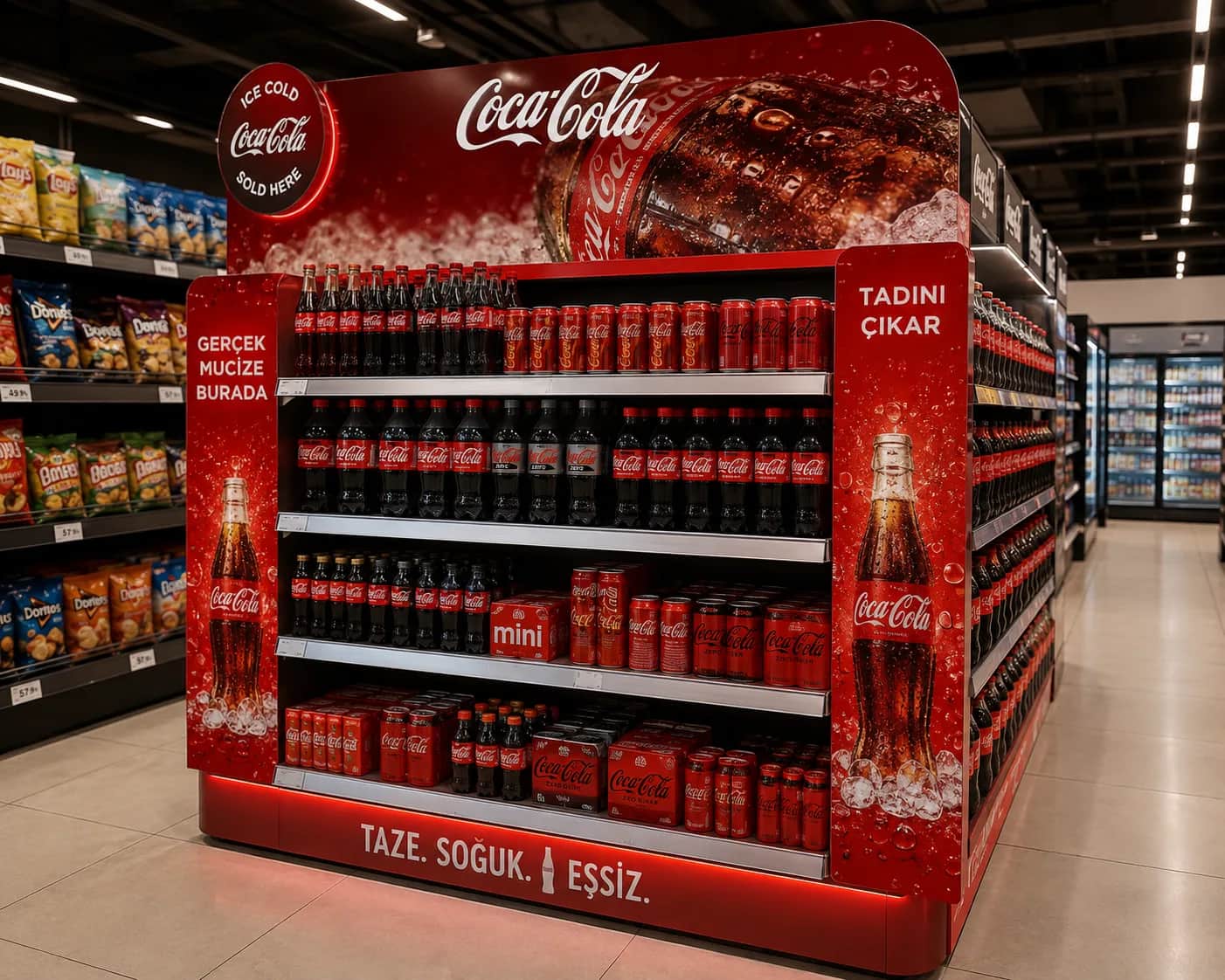
What Is Secondary Display? In-Store Strategies That Lift Sales
Secondary display means showing a product at a second location outside its own category shelf. This article covers why it works, which store locations pay off, which display type fits where, and how to measure the result.
9 min read
Key takeaways
Secondary display lifts purchase probability by making a product visible at a second point outside its category shelf.
Its effect comes not from product awareness but from the fact that the shopper is not looking for it: the encounter is unplanned.
Aisle ends, till points, cross-category placement and island displays are the four core locations, each calling for a different unit type.
Cross-category display is the least used and highest returning method: the product is offered next to its complement.
Measuring the result requires only one thing — comparing sales during the display period against the prior period and against stores without the display.
A brand’s biggest constraint in store is not shelf space; it is that the shopper never walks past that shelf. A customer who does not enter the category aisle will not see even the best product in that category. Secondary display exists precisely to fill that gap: it moves the product to where the shopper already walks.
This article works through the behavioural logic of secondary display, which locations suit which product groups, the unit types used, how store approval is obtained and how results can be measured.
What is secondary display?
Primary display is the product’s fixed shelf position within its own category; it is set by the planogram and is the product’s address in the store. Secondary display is any presentation outside that address: a stand at the aisle end, a unit at the till, a basket placed next to another category, or an island in the middle of the store.
The distinction matters because in primary display the shopper looks for the product, while in secondary display the product finds the shopper. That changes everything from communication language to the physical design of the unit.
Primary display is a library shelf: you find what you were looking for. Secondary display is a shop window: you see what you were not.
Why does it work?
The effect of secondary display comes from three simple mechanisms, none of which requires complicated psychology.
Encounters increase. A shopper who meets the same product twice inside a store is more likely to put it in the basket than one who meets it once. This is about remembering it, not about liking it more.
The decision threshold drops. On the category shelf the product sits beside ten competitors and comparison happens. In secondary display the product is usually alone; the decision shifts from “this one or that one” to “yes or no”.
Context is created. Placed next to the context in which it will be used, the product reminds the shopper of a need. A lighter next to barbecue charcoal is the classic example.
The four core locations
1. Aisle ends and aisle entrances
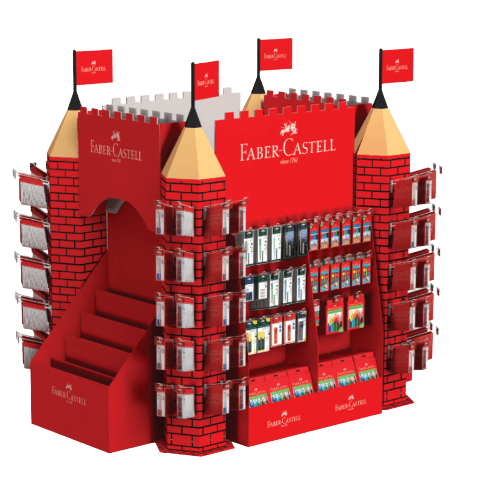
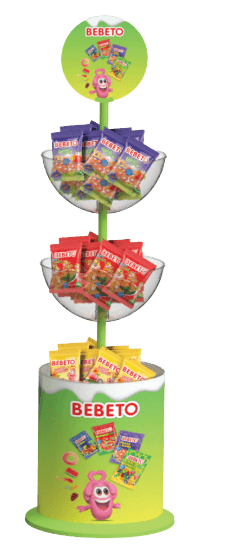
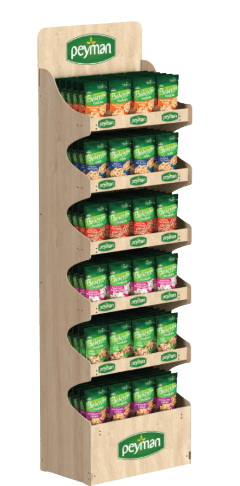
One of the highest-traffic points in a store, because the main circulation routes cross here. It offers high visibility but competition is intense: several brands want the same space. In this location legibility at distance — header height and colour contrast — is decisive. The injection floor displays typology is generally used here.
2. The till point
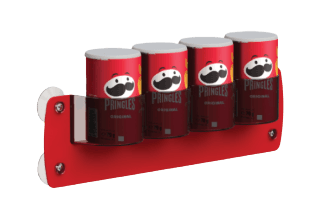
The area where the shopper queues, hands are not free and decisions are made in seconds. Ideal for small-format, low-priced and familiar products. The unit must have a small footprint, allow one-handed pick-up and resist tipping. For detail, see our what is a POS display article.
3. Cross-category display
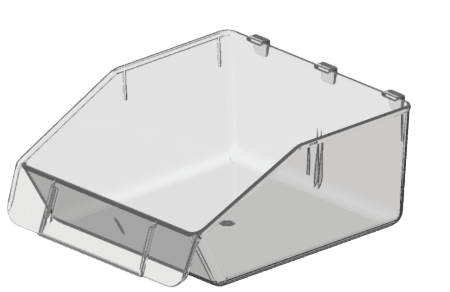
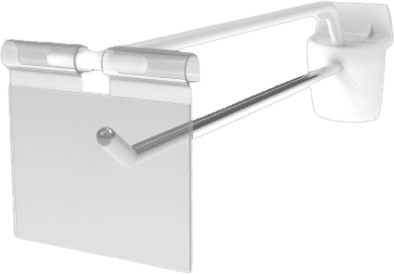
Placing a product next to another category it complements. Sauce beside the pasta shelf, jam beside the breakfast aisle, a cheese knife beside the wine section — all work on this logic. It is the least used method because it requires two category owners to agree; in exchange it is among the highest returning. Hang-on displays or small shelf-mounted units are typically used.
4. Island and pallet displays
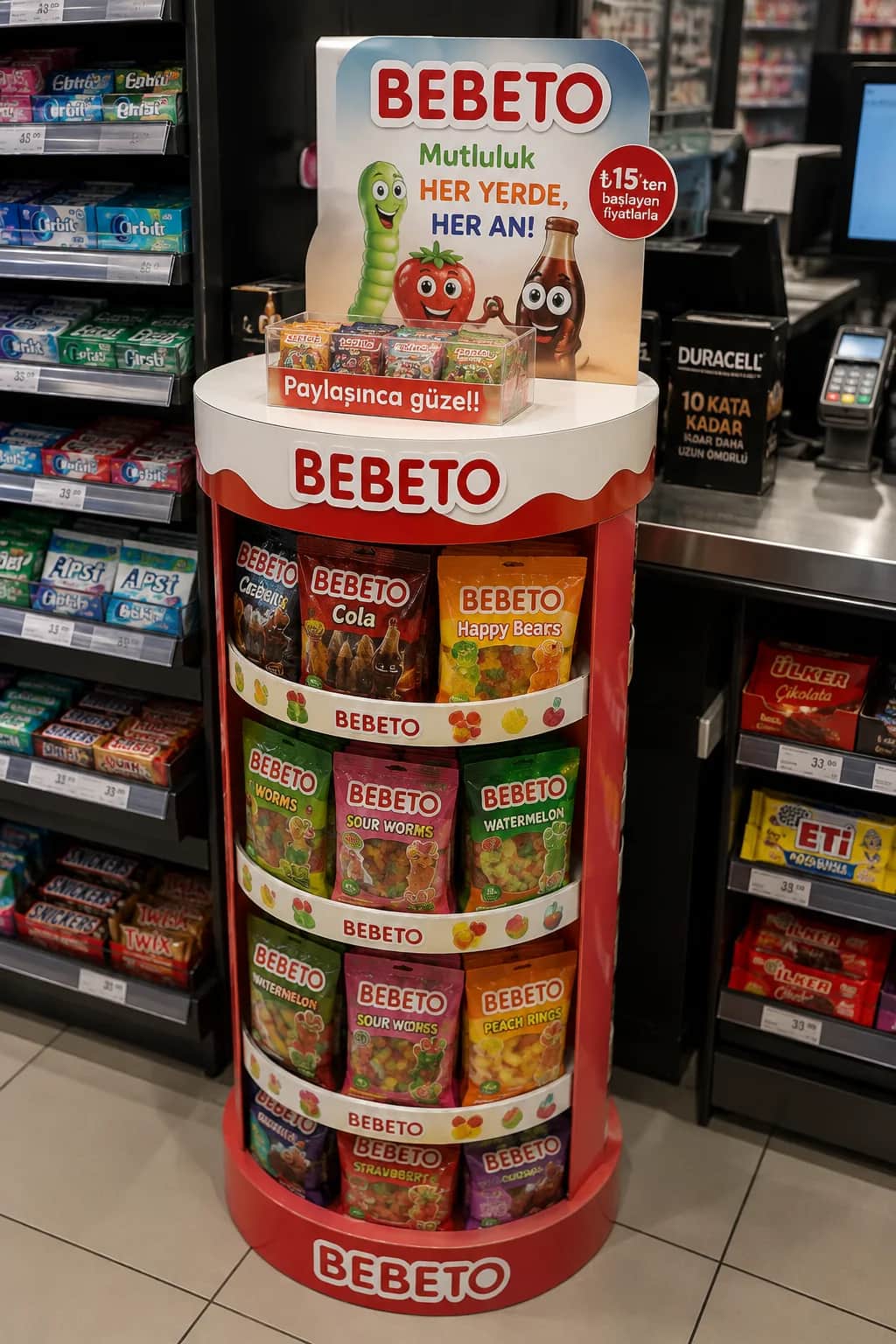
High-volume displays built in the open area at the centre of the store, used during promotions to create a price perception. Because they require high volumes they run seasonally and are usually solved with cardboard units; you will find examples on our cardboard display stands page.
Which location for which product?
Location
Suitable product profile
Typical unit
Duration
Aisle end
Known brand, mid price, bulky
Floor display
4 – 12 weeks
Till point
Small format, low price
Countertop unit
Permanent
Cross-category
Complementary product
Hang-on, mini tray
8 – 26 weeks
Island / pallet
High volume, promotional
Pallet surround, cardboard stand
2 – 6 weeks
Shelf edge
New product, low awareness
Clip strip, front rail
4 – 8 weeks
Four rules for unit design
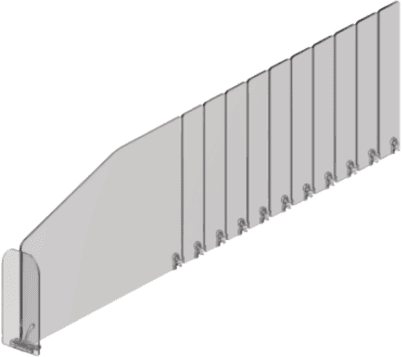
1One product, one message. Decisions in secondary display are fast; carrying more than three variants extends decision time and dilutes the effect.
2Refilling must be easier than selling. Store staff or the field team should be able to refill the unit in thirty seconds. A unit that cannot be refilled stands empty, and an empty unit gets removed.
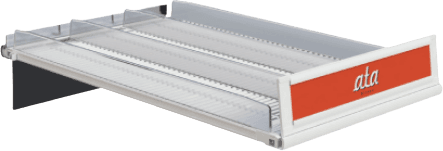
3Price must be visible. If the product’s price in secondary display differs from the main shelf and that is not shown, the shopper postpones the decision. This is why front label holders are part of the unit.
4The unit must not hide the product. A bigger brand area is not automatically better; if the header blocks the product silhouette, the unit is obstructing its own job.
How is store approval obtained?
The biggest obstacle to secondary display is not design but in-store space allocation. That space is limited in chain retail and usually tied to a commercial agreement. Three practical approaches ease approval:
Start with a typology that asks for no space. Hang-on units that attach to the shelf edge demand no square metres and are the easiest to get accepted; once performance is proven, a floor unit becomes negotiable.
Take on the refill burden. Regular refilling by the field team removes the unit from the store’s cost column.
Demonstrate durability. A unit that breaks in the first month makes space allocation impossible next season. Material choice is therefore a commercial decision; see our display stand materials article for detail.
How are results measured?
Measuring the effect of secondary display needs no elaborate setup. Two simple comparisons give a sufficient answer in most cases:
Period comparison: Compare weekly sales during the display period with the equally long period immediately before it. Also look at the same period last year to strip out seasonality.
Store comparison: Compare sales in stores running the display against similarly sized stores without it. This largely removes promotion and pricing effects.
The most commonly skipped part of measurement is feedback: carrying the result into the next unit design. A unit that runs out of capacity should be enlarged, a unit that tips often needs a heavier base, and a unit that is hard to refill needs its loading direction changed.
Common mistakes
Planning more units than the field team can refill. A unit placed in a hundred stores but refilled in thirty damages the brand in the other seventy.
Sending the same unit to every store format. A unit that looks small in a hypermarket blocks the walkway in a neighbourhood store.
Forgetting price communication. If it is not visible that the product in secondary display is on promotion, the display’s strongest card goes unplayed.
Not collecting the display when the campaign ends. An empty, battered unit leaves a worse brand impression than no unit at all.
In summary
Secondary display is the lowest-cost visibility increase available in store, because it buys no media — it simply moves the product to the right place. Its success rests on three decisions: the right location, a unit type suited to that location, and a field plan that keeps refilling sustainable. Once those three are in place, measuring the effect becomes straightforward too.
Share
Q & A
Common questions
Does secondary display really increase sales?
The size of the lift varies with product category, location and display duration. The clearest results appear in categories where the decision is fast and the price is low. The only way to know the effect precisely is to compare sales in stores with and without the display.
How long should a secondary display stay in place?
Two to six weeks is common for promotional displays, and eight to twenty-six weeks for category-support displays. Leaving the same unit in the same place for too long dilutes the effect; changing location or dressing refreshes it.
Which unit is used for cross-category display?
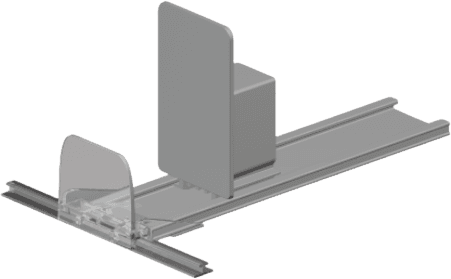
Typologies that occupy no floor space are usually preferred: clip strips attached to the shelf edge, mini trays that sit on the shelf, and front rails. Because they demand no square metres from another category, store approval comes more easily.
Should we use cardboard or plastic?
Duration decides. For campaign displays lasting a few weeks, cardboard units are fast and economical. For category displays staying in place for months or years, plastic units both last and can be reused.
How many variants should a secondary display carry?
The general approach is a maximum of three. The power of secondary display comes from simplifying the decision; as variant count grows, the unit turns into a second category shelf and that advantage disappears.